
Last Updated: February 2026
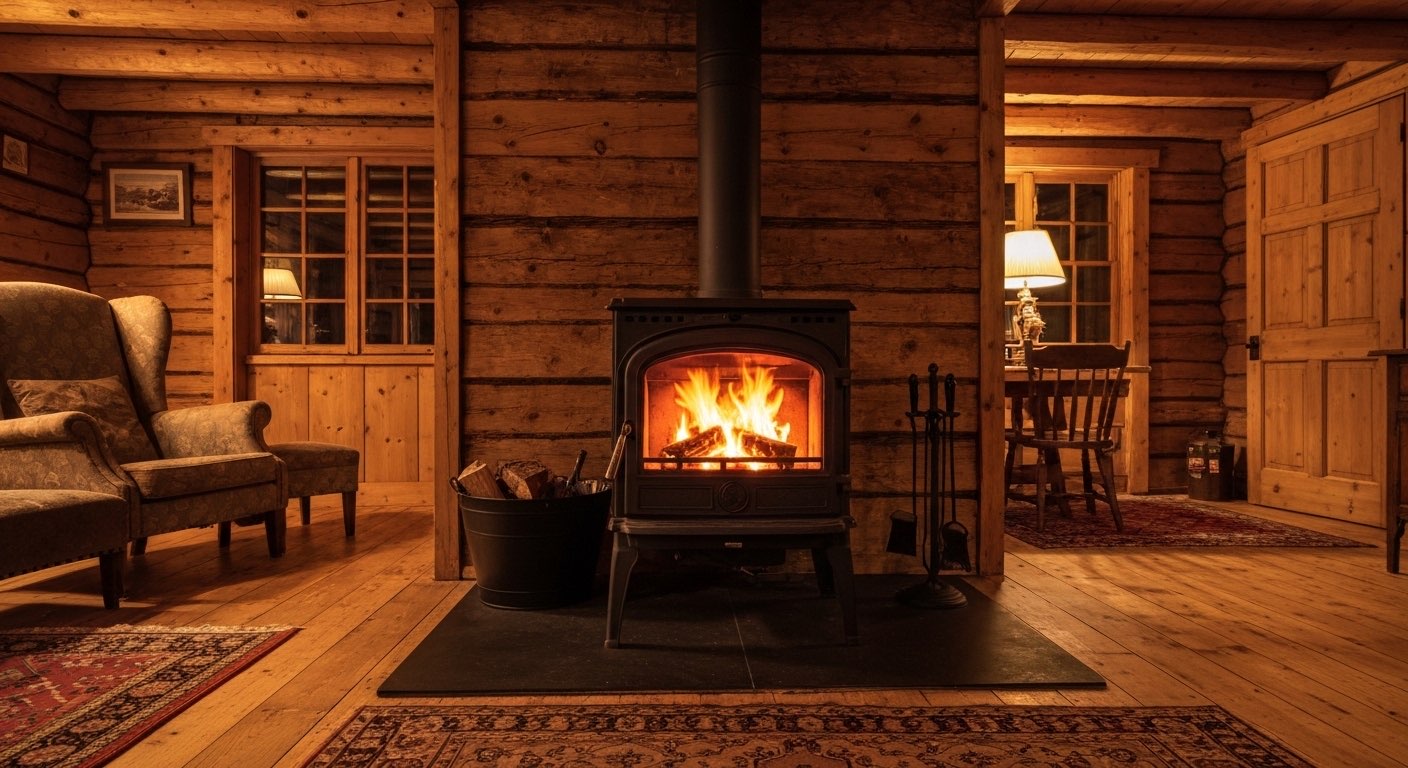
There’s nothing quite like the smell of wood smoke curling up from your cabin stove on a cold winter morning. That first cup of coffee, brewed on the stovetop while the fire crackles—that’s the off-grid dream right there. I’ve heated my cabin with wood for years now, and let me tell you: choosing the right wood stove for your off-grid cabin isn’t just about BTUs and square footage. It’s about finding a stove that fits your space, your lifestyle, and your budget.
Whether you’re building out a hunting cabin, converting a shipping container, or setting up a permanent off-grid homestead, the best wood stove for off grid cabin living needs to balance efficiency, durability, and practicality. Some folks need a cooktop. Others need maximum heat output for brutal winters. And plenty of us are working with tight spaces where every square inch counts.
After researching dozens of small cabin wood stove options and talking with fellow off-gridders, I’ve put together this guide to the most efficient wood burning stove options available on Amazon—from budget-friendly tent stoves to premium cast iron workhorses.
FTC Disclosure: This post contains affiliate links. If you purchase through these links, we may earn a small commission at no extra cost to you. We only recommend products we’ve researched and believe will benefit your homestead.
Quick Comparison: Best Wood Stoves for Off-Grid Cabins
| Product | Type | Price Range | Heat Output | Best For | Rating |
|---|---|---|---|---|---|
| Guide Gear Outdoor Wood Stove | Portable Steel | $140-160 | Medium | Best budget option | 4.5★ |
| Trailblazer Cookstove with Oven | Cookstove | $359-459 | Medium-High | Cooking & heating | 4.4★ |
| Mini Woodsman Stove | Compact Steel | $450-500 | Medium | Tiny homes | 4.6★ |
| YRenZ Portable Wood Stove | Tent Stove | $90-130 | Low-Medium | Budget camping | 4.4★ |
| KUNGKA Tent Stove | Tent Stove | $135-180 | Low-Medium | Ice fishing/hunting | 4.3★ |
| Small Cast Iron Cabin Stove | Cast Iron | $300-350 | Medium-High | Traditional cabins | 4.2★ |
| Cast Iron Compact Stove | Cast Iron | $230-270 | Medium | Small cabins | 4.3★ |
| Pddolw Steel Heating Stove | Thickened Steel | $200-250 | Medium | Rural heating | 4.1★ |
What to Look for in an Off-Grid Wood Stove
Before we dive into specific products, let’s talk about what actually matters when you’re choosing a wood stove for off-grid living. Because honestly, there’s a lot of marketing fluff out there—and when you’re 20 miles from the nearest hardware store with no electricity, you need gear that actually works.
Size and Heat Output
First question: how big is your space? A tiny 100-square-foot hunting blind needs a completely different stove than a 600-square-foot cabin. Too small a stove and you’ll freeze. Too big and you’ll be opening windows in January.
General rule of thumb:
- Under 200 sq ft: Small tent stove or compact model (8,000-15,000 BTU)
- 200-400 sq ft: Medium cabin stove (15,000-30,000 BTU)
- 400-800 sq ft: Full-size wood stove (30,000-50,000 BTU)
Material: Cast Iron vs Steel
Cast iron stoves are the traditional choice. They hold heat longer (great for overnight burns), distribute warmth more evenly, and last generations with proper care. The downside? They’re HEAVY. Moving a 200-pound cast iron stove into a remote cabin isn’t exactly fun.
Steel stoves heat up faster and are much lighter—crucial if you’re packing into your site or need portability. They don’t retain heat as long once the fire dies, but for hunting camps or temporary setups, that’s often fine.
Cooking Capability
Living off-grid, your stove isn’t just for heat. Can you fit a cast iron skillet on top? Is there enough flat surface for a coffee pot? Some stoves even include ovens or warming shelves. If you’re relying on your stove for cooking, prioritize a flat cooktop surface.
Chimney and Installation
Most stoves require a 4-6″ stove pipe. For cabins, you’ll need wall thimbles, roof jacks, and proper clearances from combustibles. Tent stoves typically include their own chimney sections. Make sure you understand what’s included and what you’ll need to buy separately.
Efficiency
An efficient wood burning stove means less wood cutting, less smoke, and more heat in your cabin. Look for:
- Secondary combustion (burns smoke gases for extra heat)
- Air wash systems (keeps viewing glass clean)
- Airtight construction (controlled burns, better efficiency)
1. Guide Gear Outdoor Wood Burning Stove
ASIN: B0155324VO | Price: $140-160 | Rating: 4.5★ | Best Seller
Best for: Budget-conscious cabin owners who want reliability without breaking the bank
When it comes to value, the Guide Gear Outdoor Wood Stove is tough to beat. This thing has been the go-to small cabin wood stove for hunting camps and off-grid setups for years—and there’s a reason it keeps selling.
Built from durable steel with a sturdy cooking surface, it puts out solid heat for spaces up to 300 square feet. The included chimney pipes (five sections totaling about 9 feet) mean you’re not nickel-and-dimed on accessories. Just add a wall thimble and spark arrestor, and you’re good to go.
What I appreciate most is the simplicity. There’s a front door for loading, a draft control for airflow, and that’s about it. Nothing fancy to break. The legs fold up for transport—handy if you’re moving between hunting spots or storing it during summer.
What’s Included:
- Heavy-duty steel stove body
- 5-section chimney pipe (9 ft total)
- Flat cooktop surface
- Folding legs for transport
- Front loading door with draft control
Specs:
- Dimensions: 18.5″ x 12″ x 21″
- Weight: ~45 lbs
- Pipe diameter: 4″
- Heats up to: 300 sq ft
Pros:
- Outstanding value under $160
- Includes chimney sections
- Proven reliability (thousands sold)
- Flat cooking surface works well
- Folds for transport
- Simple operation, nothing to break
Cons:
- Not airtight (less efficient overnight)
- Steel doesn’t retain heat like cast iron
- Some assembly required
- Basic design—no fancy features
Who It’s For: First-time off-grid cabin owners, hunting camp setups, or anyone who wants a proven workhorse without spending $500+. Perfect if you’re heating a small to medium space and don’t need an overnight burn.
2. Trailblazer Cookstove with Built-In Oven
ASIN: B0DYLFB4D8 | Price: $359-459 | Rating: 4.4★
Best for: Off-gridders who want to cook and bake without electricity
This is where things get interesting. The Trailblazer Cookstove isn’t just a heater—it’s a complete cooking solution with a built-in oven. For anyone serious about off-grid living, having a reliable way to bake bread, roast meat, or make casseroles without electricity is a game-changer.
The flat cooktop accommodates multiple pots and pans simultaneously, and that oven compartment actually holds temperature well enough for baking. Is it going to replace a modern kitchen range? No. But for cabin life, it’s remarkably capable.
Built for RVs, tiny homes, and off-grid cabins, the Trailblazer strikes a nice balance between heating output and cooking functionality. The steel construction heats up quickly—important when you’re coming in from the cold and need warmth fast.
What’s Included:
- Steel stove body with firebox
- Built-in baking oven
- Flat cooktop surface
- Chimney collar (pipe sold separately)
- Ash drawer for easy cleaning
Specs:
- Dimensions: Compact footprint
- Weight: ~65 lbs
- Pipe diameter: 4″
- Oven size: Accommodates 9×13 pan
Pros:
- Dual-purpose: heating AND cooking
- Built-in oven for baking
- Spacious cooktop
- Designed specifically for off-grid use
- Heats up quickly
- Ash drawer simplifies cleanup
Cons:
- Higher price point ($400+)
- Chimney pipe not included
- Heavier than basic tent stoves
- Oven temp takes practice to master
- Not ideal for spaces over 400 sq ft
Who It’s For: Off-grid homesteaders who cook from scratch and need their stove to pull double duty. If you’re baking sourdough, roasting chickens, and simmering stews all winter, the Trailblazer earns its keep.
3. Mini Woodsman Compact Stove
ASIN: B0CXXD6QT4 | Price: $450-500 | Rating: 4.6★
Best for: Tiny homes, small cabins, and anyone who values build quality
The Mini Woodsman has developed something of a cult following among the tiny house and micro-cabin crowd. And honestly? The hype is deserved.
This compact stove packs serious heating capability into a footprint that works in spaces where full-size stoves just don’t fit. The welded steel construction is noticeably heavier-duty than budget alternatives, and the attention to detail shows—tight-fitting doors, smooth-operating dampers, and clean welds throughout.
What really sets the Mini Woodsman apart is its efficiency. The firebox design promotes complete combustion, so you’re extracting maximum heat from minimum wood. When you’re cutting and splitting all your own firewood, efficiency isn’t just nice to have—it’s hours of your life.
What’s Included:
- Heavy-gauge steel stove body
- Glass viewing window
- Air wash system
- Removable ash pan
- Cooktop surface
Specs:
- Dimensions: Compact (varies by model)
- Weight: ~55-70 lbs
- Pipe diameter: 4″
- Heats up to: 250-350 sq ft
Pros:
- Excellent build quality
- Compact footprint for tiny spaces
- Efficient burn design
- Glass window adds ambiance
- Air wash keeps glass clean
- Strong reputation in tiny house community
Cons:
- Premium price point
- Chimney components sold separately
- Smaller firebox = more frequent loading
- Wait times due to popularity
- Limited to smaller spaces
Who It’s For: Tiny home builders, van lifers with stationary setups, or anyone heating a small cabin who wants the best quality available. If you’re investing in your forever off-grid home, the Mini Woodsman is buy-it-for-life quality.
4. YRenZ Upgraded Portable Wood Stove for Camping
ASIN: B0FH2RKDVH | Price: $90-130 | Rating: 4.4★ | 200+ bought recently
Best for: Budget entry into wood-heated camping or small cabin heating
Look, I’ll be honest—when I saw a wood stove under $100, I was skeptical. But the YRenZ Portable has proven surprisingly capable for what it is. This isn’t your forever stove, but it’s a fantastic entry point for testing whether wood heat works for your off-grid situation.
The large firebox design (compared to other tent stoves in this price range) means less frequent loading. The upgraded airtightness gives you better burn control than the ultra-cheap options. And at 200+ recent sales, there’s clearly demand for an affordable option that actually works.
For heating a wall tent, a small shed conversion, or a seasonal hunting cabin, this delivers more value than you’d expect. Just understand what you’re getting: a lightweight, portable stove designed for temporary or seasonal use rather than year-round heating.
What’s Included:
- Steel stove body
- Large firebox
- Chimney sections
- Spark arrestor
- Carry bag
Specs:
- Dimensions: Compact portable design
- Weight: ~20-25 lbs
- Pipe diameter: 2.5″
- Heats up to: 150-200 sq ft
Pros:
- Unbeatable price under $100
- Complete kit with chimney included
- Surprisingly solid construction
- Large firebox for its class
- Lightweight and portable
- Great starter stove
Cons:
- Not for permanent installation
- Smaller diameter pipe limits heat output
- Lighter steel won’t last decades
- Better for seasonal than year-round use
- Limited heat output
Who It’s For: Budget-conscious beginners testing off-grid heating, wall tent campers, or anyone needing a cheap backup stove. Perfect for asking “does wood heat work for me?” without spending $500 to find out.
5. KUNGKA Black Wood Burning Tent Stove
ASIN: B0DR7CGD3W | Price: $135-180 | Rating: 4.3★ | 100+ bought recently
Best for: Ice fishing, hunting camps, and hot tent camping
The KUNGKA tent stove hits a sweet spot between the ultra-budget options and premium cabin stoves. Built from stainless steel with a 7-section chimney system, it’s designed specifically for tent heating—ice fishing shelters, wall tents, and portable hunting blinds.
What I like about the KUNGKA is the thought put into portability without sacrificing functionality. The stainless steel construction resists rust (important when you’re melting snow off your boots inside), and the included chimney sections give you flexibility in installation height.
The viewing window is a nice touch for tent heating—you want to see that fire burning when it’s 10 below outside. And unlike some tent stoves, this one has decent airflow control for dialing in your burn rate.
What’s Included:
- Stainless steel stove body
- 7-section chimney (stainless steel)
- Glass viewing window
- Spark arrestor
- Damper control
- Carry bag
Specs:
- Dimensions: Portable design
- Weight: ~25 lbs
- Pipe diameter: 3″
- Heats up to: 200 sq ft
Pros:
- Stainless steel construction (rust resistant)
- Complete chimney system included
- Glass viewing window
- Excellent for ice fishing setups
- Good heat output for tent spaces
- Reasonable price point
Cons:
- Not for permanent cabin installation
- Stainless heats unevenly compared to steel
- Smaller firebox requires frequent loading
- Assembly required
- Best suited for temporary setups
Who It’s For: Ice anglers, cold-weather hunters, and anyone heating a canvas tent or portable shelter. If you’re in and out of different locations, the KUNGKA’s portability and stainless construction make sense.
6. Small Cast Iron Cabin Stove with Cooking Function
ASIN: B0G1MVLZH5 | Price: $300-350 | Rating: 4.2★
Best for: Traditional cabin heating with cast iron durability
There’s something deeply satisfying about a cast iron stove. The way it holds heat, the solid thunk when you close the door, the knowledge that with proper care, your grandkids could be using the same stove.
This compact cast iron model brings that old-school reliability in a size that works for smaller off-grid cabins. At roughly 22″ x 14.5″ x 14.5″, it’s large enough for meaningful heat output while still fitting in tight spaces. The flat cooktop handles coffee pots and skillets without issue.
Cast iron’s heat retention really shines for overnight heating. Load it up before bed, close down the damper, and you’ll still have coals in the morning. That’s harder to achieve with lightweight steel stoves that cool quickly once the fire dies.
What’s Included:
- Cast iron stove body
- Cooking surface
- Front loading door
- Draft control
- Ash removal system
Specs:
- Dimensions: 22.4″ x 14.5″ x 14.5″
- Weight: ~80-100 lbs
- Pipe diameter: 4-6″
- Heats up to: 350-500 sq ft
Pros:
- Cast iron heat retention
- Built to last generations
- Excellent overnight burns
- Flat cooking surface
- Classic aesthetic
- Solid construction
Cons:
- HEAVY (80+ lbs)
- Higher price point
- Heats up slower than steel
- Requires regular maintenance
- Chimney components separate
Who It’s For: Cabin owners who want traditional cast iron durability and don’t mind the weight. If you’re installing once and never moving it, cast iron is worth the extra effort.
7. Cast Iron Compact Indoor Stove
ASIN: B0G1MQ929M | Price: $230-270 | Rating: 4.3★
Best for: Smaller budgets wanting cast iron benefits
Not everyone can swing $350+ for a cast iron stove. This compact model delivers many of the same benefits—heat retention, cooking capability, traditional construction—at a lower price point.
The trade-off is size. This is a genuinely compact stove best suited for smaller cabins or as supplemental heat in larger spaces. But for a 150-300 square foot area, it puts out plenty of warmth while offering that cast iron longevity.
The cooking surface is functional if not spacious. You’ll fit a kettle and a small pan, but don’t expect to cook a full breakfast simultaneously. Still, for a small cabin where space is tight, the compact footprint is actually an advantage.
What’s Included:
- Cast iron construction
- Compact design
- Cooking surface
- Front loading door
- Draft control
Specs:
- Dimensions: 14.5″ x 14.5″ x 22.4″
- Weight: ~60-75 lbs
- Pipe diameter: 4″
- Heats up to: 300 sq ft
Pros:
- Cast iron at an accessible price
- Compact footprint
- Good heat retention
- Cooking capable
- Lighter than full-size cast iron
Cons:
- Smaller heating capacity
- Limited cooktop space
- Still heavier than steel stoves
- Basic design
- Chimney sold separately
Who It’s For: Budget-conscious buyers who want cast iron benefits in a smaller cabin. Good choice for supplemental heating or spaces under 300 square feet.
8. Pddolw Indoor Wood-Burning Heating Stove
ASIN: B0FV3BH8PX | Price: $200-250 | Rating: 4.1★
Best for: Rural heating on a budget with thickened steel construction
The Pddolw stove occupies interesting middle ground—more substantial than tent stoves but without the premium pricing of high-end cabin stoves. The “thickened steel” construction provides better durability and heat retention than lightweight alternatives.
Marketed for rural and cabin heating, this stove delivers straightforward functionality. Load it, light it, adjust the draft, and enjoy warmth. The smokeless design promotes cleaner burns with less creosote buildup (good for chimney maintenance).
At around $220, it’s affordable enough for seasonal cabins where a $500 stove doesn’t make sense, yet built well enough for more demanding use than budget tent stoves allow.
What’s Included:
- Thickened steel construction
- Cooking surface
- Front loading door
- Ash management system
- Draft control
Specs:
- Dimensions: Compact cabin size
- Weight: ~50-60 lbs
- Pipe diameter: 4″
- Heats up to: 300-400 sq ft
Pros:
- Good value for construction quality
- Thickened steel for durability
- Cleaner burning design
- Functional cooking surface
- Mid-range price point
Cons:
- Newer brand (less track record)
- Steel still lighter than cast iron
- Basic feature set
- Chimney components separate
- Assembly required
Who It’s For: Off-grid cabin owners wanting better-than-budget construction without premium pricing. Good balance of durability, heat output, and value for seasonal or year-round use.
Wood Stove Safety: Essential Tips for Off-Grid Installation
Before you fire up that new stove, let’s talk safety. Wood stove fires are preventable, but they require attention to detail during installation and ongoing maintenance.
Clearance Requirements
Most wood stoves require:
- 18″ minimum from combustible walls (without heat shields)
- 36″ minimum in front for loading and ash removal
- Proper floor protection (non-combustible pad extending 18″ beyond stove footprint)
Heat shields can reduce wall clearances significantly. Check your stove’s specific requirements.
Chimney Installation
- Use only approved stove pipe rated for your stove’s temperature
- Install a spark arrestor at the chimney cap
- Maintain minimum 10′ chimney height for proper draft
- Keep chimney at least 3′ above roof penetration and 2′ higher than anything within 10′
- Use a wall thimble for wall penetrations
Ongoing Maintenance
- Clean chimney annually (more often with heavy use or green wood)
- Check door gaskets for tight seal
- Remove ash regularly but leave 1-2″ bed for coal retention
- Inspect chimney cap and spark arrestor each season
- Burn only seasoned hardwood (less than 20% moisture)
Carbon Monoxide Safety
Wood stoves consume oxygen and produce CO. Always:
- Ensure adequate ventilation
- Install a CO detector near sleeping areas
- Never block stove air intakes
- Open a window slightly if cabin is very airtight
Frequently Asked Questions
What size wood stove do I need for my off-grid cabin?
A general guideline is 20-30 BTU per square foot in cold climates. For a 400 square foot cabin, you’d want roughly 8,000-12,000 BTU of output. However, insulation quality matters enormously—a well-insulated cabin needs significantly less heating capacity than a drafty old structure.
Can I cook on a wood stove?
Most wood stoves with flat tops work for cooking, but dedicated cookstoves with ovens give you more versatility. For simple tasks like boiling water or heating a skillet, almost any flat-topped stove works. For baking, you’ll want a model like the Trailblazer with a built-in oven.
How much wood does an off-grid cabin use in winter?
Plan for 2-4 cords of firewood per winter, depending on cabin size, insulation, climate, and stove efficiency. A cord is a stack measuring 4′ x 4′ x 8′. Start cutting wood at least a year before you need it—seasoned wood burns dramatically better than green wood.
Cast iron vs steel wood stove: which is better?
Cast iron retains heat longer and provides more even heating but is heavy and heats slowly. Steel heats quickly and weighs less but cools faster when the fire dies. For permanent cabin installation, cast iron often makes sense. For portable or tent use, steel’s lighter weight wins.
Do I need electricity for a wood stove?
No! That’s the beauty of wood heat for off-grid living. However, some modern stoves include optional electric blowers to distribute heat more evenly. These are nice-to-have but not required for the stove to function.
How do I install a wood stove in a cabin without burning it down?
Follow manufacturer clearance requirements, use proper stove pipe and chimney components rated for wood stoves, install on a non-combustible floor pad, and ensure adequate chimney height for proper draft. When in doubt, consult with a certified chimney professional or your local fire marshal.
Final Thoughts: Choosing Your Perfect Off-Grid Wood Stove
After years of heating with wood, here’s what I’ve learned: the “best” wood stove is the one that matches YOUR situation.
For tight budgets or first-time testing: Start with the YRenZ Portable ($90-130) or Guide Gear ($140-160). Both deliver solid performance without major investment.
For serious off-grid cooking: The Trailblazer Cookstove ($359-459) with its built-in oven pays dividends every meal you don’t need propane or electricity to prepare.
For tiny homes and micro-cabins: The Mini Woodsman ($450-500) earns its premium through quality construction and efficient design that works in tight spaces.
For traditional cabin heating: Either cast iron option ($230-350) provides that old-school heat retention and durability that off-grid living demands.
For tent heating and portability: The KUNGKA ($135-180) balances stainless steel durability with true portability.
Whatever you choose, remember: a well-maintained wood stove and a dry woodpile mean warm winters, hot coffee, and the satisfaction of true energy independence. There’s nothing quite like it.
Have questions about wood stoves for off-grid living? Drop them in the comments below—I’m happy to help you figure out what works for your situation.