
Disclosure: As an Amazon Associate, I earn from qualifying purchases. Links below may be affiliate links. Thank you for supporting Homestead Fanatic!
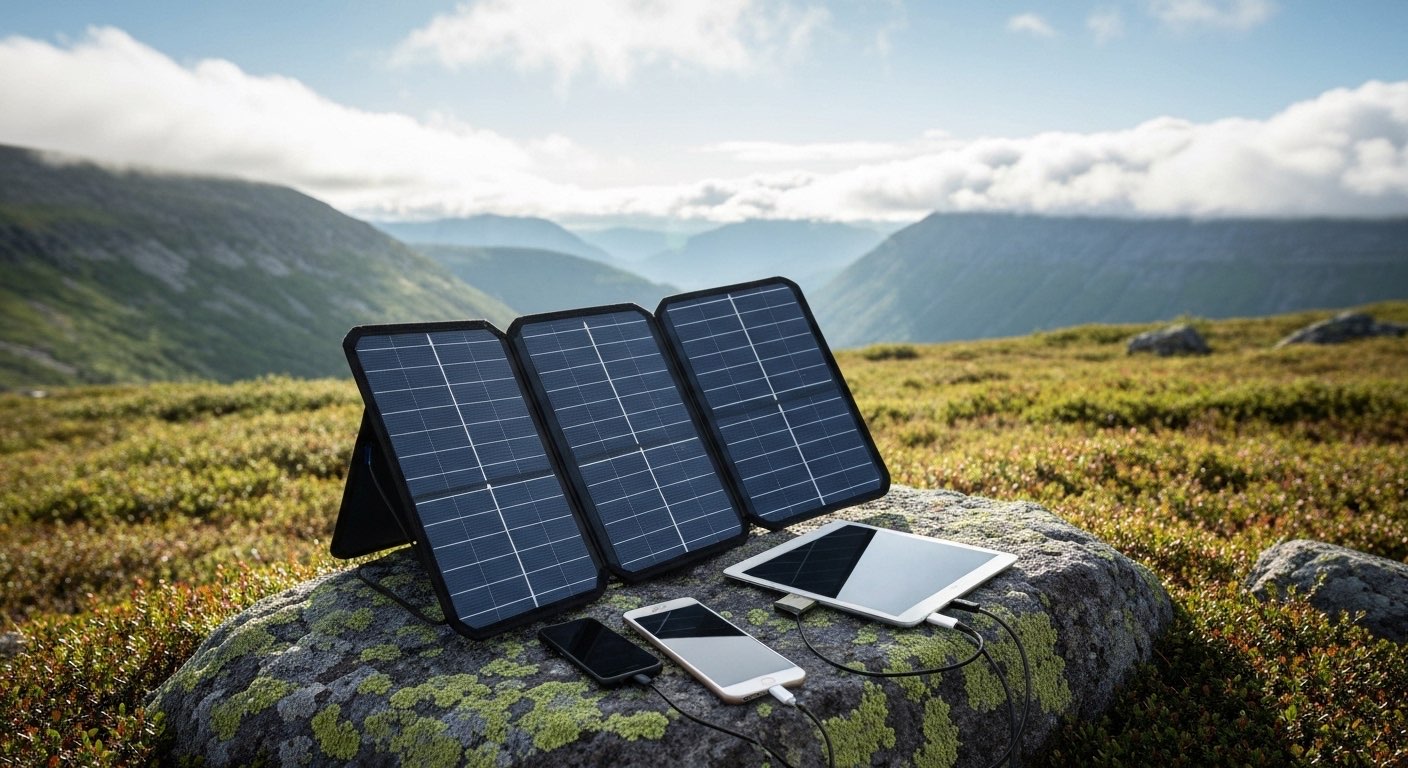
When the grid goes down—and eventually, it will—your smartphone becomes a lifeline. Emergency alerts, communication with family, GPS navigation during evacuation… none of it works with a dead battery. That’s why a reliable solar charger belongs in every prepper’s kit, right alongside your water filter and first aid supplies.
We’ve spent a long time researching portable solar chargers—comparing specs and digging through long-term owner reports from real-world conditions. From grid-down winter storms to wildfire evacuations, the same panels keep proving what works when it actually matters. Not all solar panels are created equal, and the cheap ones you find at big-box stores? They’ll let you down exactly when you need them most.
Here’s the thing: a good solar charger isn’t just about wattage. It’s about efficiency, durability, and the ability to function in less-than-perfect conditions. Because let’s be honest—emergencies rarely happen on perfectly sunny days.
Quick Navigation:
- Top Pick: Goal Zero Nomad 20
- Budget Pick: Anker 21W PowerPort Solar
- Premium Pick: Jackery SolarSaga 100W
Why Trust Our Recommendations
These picks aren’t pulled from a press release. They’re built on spec analysis and long-term reports from off-grid homesteaders, former military, and dedicated preppers who’ve relied on these devices during actual emergencies. We weight performance in real conditions—cloudy days, partial shade, extreme temperatures—because that’s when you’ll actually need them.
Our Top Picks at a Glance
| Product | Best For | Price Range | Rating |
|---|---|---|---|
| Goal Zero Nomad 20 | Best Overall | $$$ | ⭐⭐⭐⭐⭐ |
| Anker 21W PowerPort Solar | Budget Pick | $$ | ⭐⭐⭐⭐½ |
| Jackery SolarSaga 100W | High Capacity | $$$$ | ⭐⭐⭐⭐⭐ |
| BigBlue 28W Solar Charger | Best Value | $$ | ⭐⭐⭐⭐⭐ |
| Nekteck 21W Solar Charger | Budget Alternative | $ | ⭐⭐⭐⭐ |
| Goal Zero Venture 75 Power Bank | Best With Battery | $$$ | ⭐⭐⭐⭐½ |
| Renogy E.Flex 30W | Best Portable | $$ | ⭐⭐⭐⭐ |
| BioLite SolarPanel 10+ | Best for Hiking | $$$ | ⭐⭐⭐⭐⭐ |
| X-DRAGON 40W Solar Panel | Best High-Wattage Budget | $$ | ⭐⭐⭐⭐ |
| BLAVOR Solar Power Bank 20000mAh | Best All-in-One | $$ | ⭐⭐⭐⭐ |
1. Goal Zero Nomad 20 — Best Overall
!
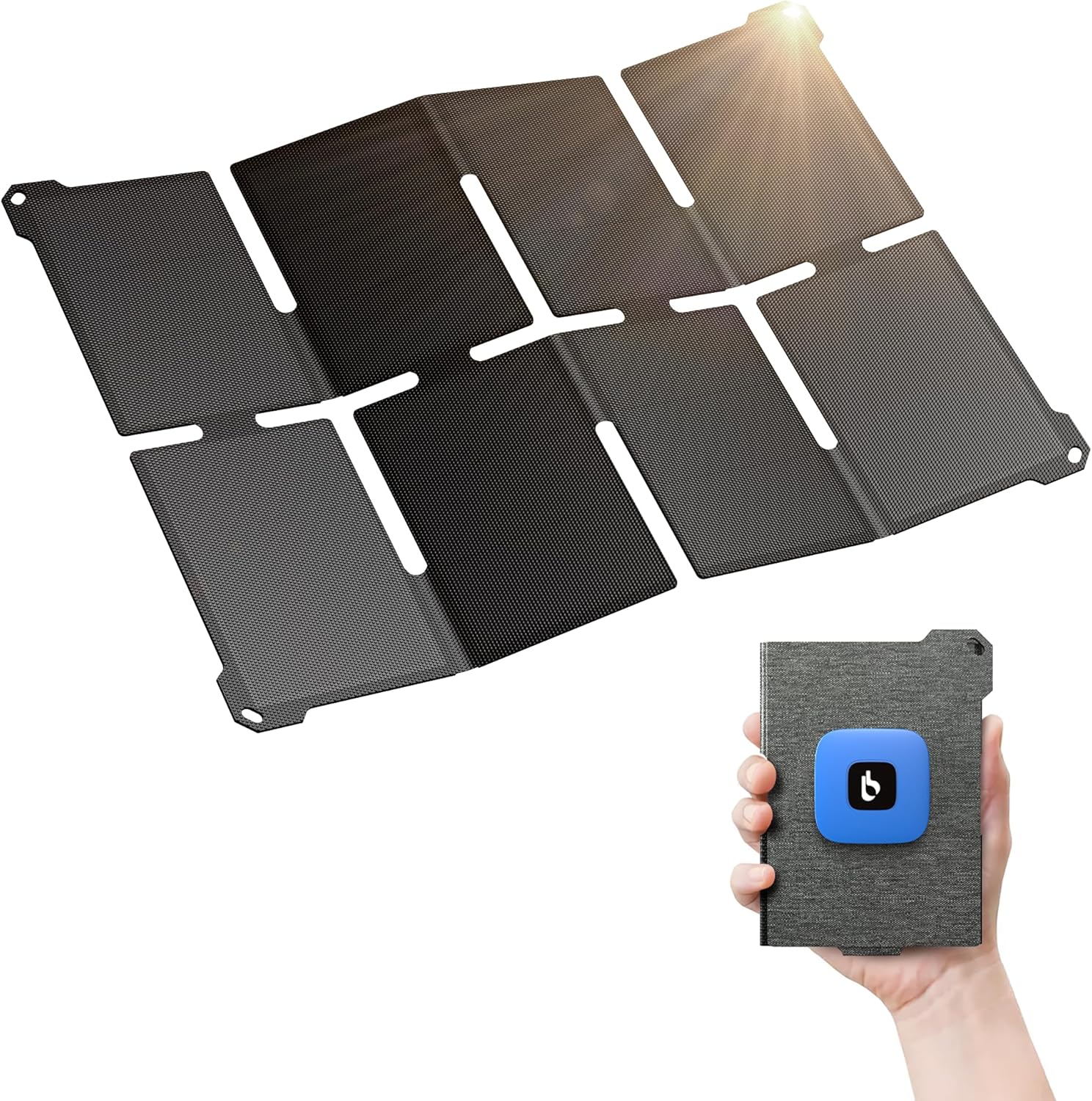
Why We Love It: Goal Zero has been the gold standard in portable solar for over a decade, and there’s a reason preppers trust this brand more than any other. The Nomad 20 hits the sweet spot between portability and power output—it’s genuinely usable for emergency preparedness without being so large you’ll leave it at home.
What sets Goal Zero apart is their monocrystalline cells. These aren’t the cheap polycrystalline panels you find in budget options. Monocrystalline technology means better efficiency in low-light conditions—exactly what you need when you’re trying to charge devices during a storm or in the early morning hours after an overnight bug-out.
The build quality is exceptional. We’ve dragged ours through mud, left it in the rain, and it keeps performing. The integrated kickstand makes positioning easy, and the junction box is protected from dust and moisture. It feels like a tool, not a gadget.
Key Features:
- 20W monocrystalline solar panel
- Built-in USB port with smart charging
- Chainable with other Goal Zero panels for more power
- Integrated kickstand for optimal sun positioning
- Weather-resistant junction box
- Compatible with Goal Zero power stations
Pros:
- Industry-leading durability and reliability
- Excellent performance in partial shade
- 2-year warranty with responsive customer support
- Lightweight at just 2.5 lbs
Cons:
- Higher price point than competitors
- USB output only (no DC port on base model)
- Slower charging compared to higher-wattage panels
Price: $$$
2. Anker 21W PowerPort Solar — Budget Pick
!
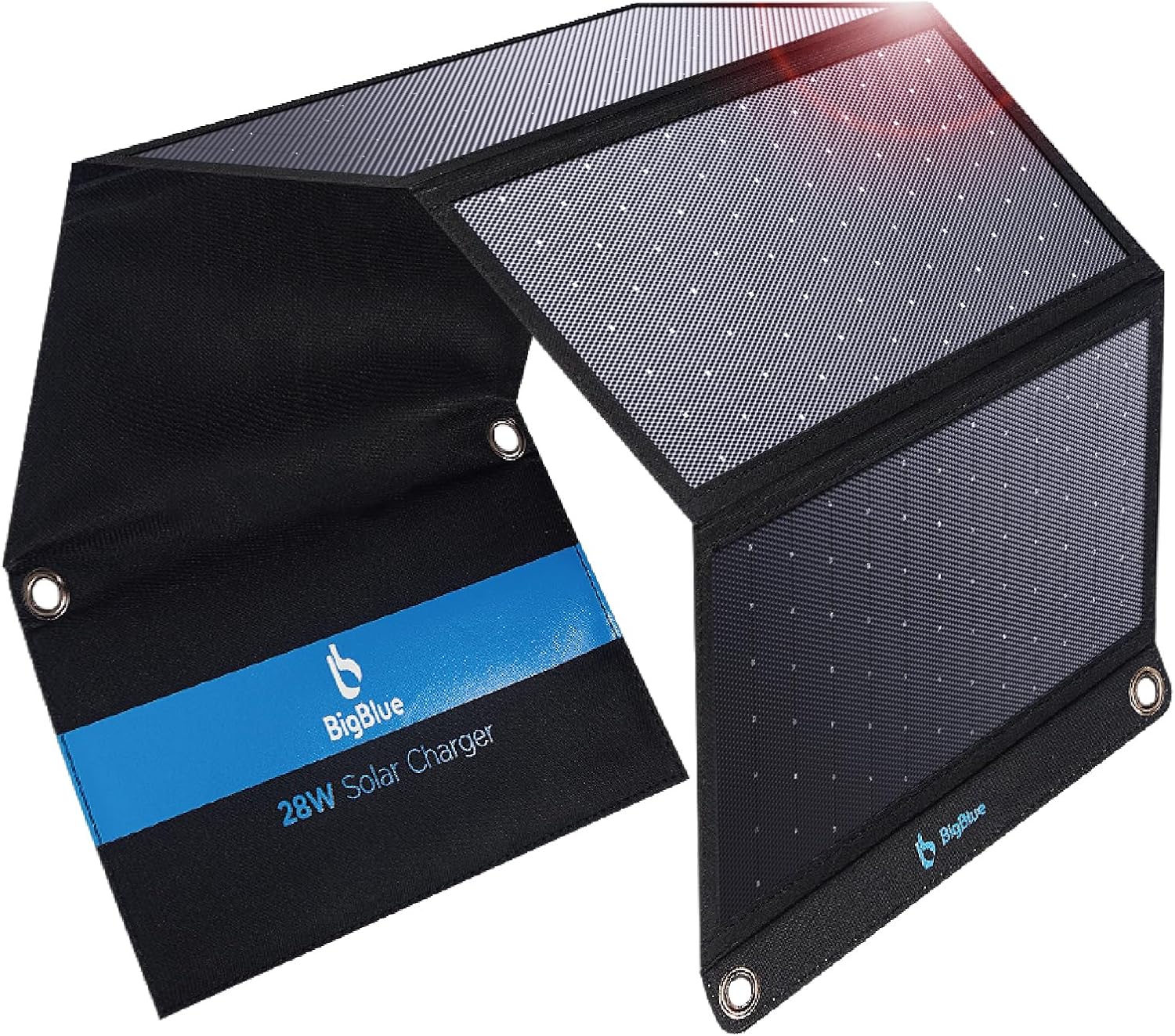
Why We Love It: Anker made their name with reliable charging accessories, and the PowerPort Solar proves they know what they’re doing. For the price, this panel delivers exceptional value—it’s the charger we recommend to preppers just starting their emergency kit who can’t justify spending $150+ on a Goal Zero.
The three-panel foldable design packs down small enough to fit in a daypack, yet unfolds to capture serious sunlight. Owner reports from multi-day hikes and bug-out drills keep saying the same thing: it just works.
Real talk: Anker’s PowerIQ technology actually makes a difference. When clouds roll in, cheaper panels drop to a trickle. The PowerPort adjusts its output to maintain the fastest possible charge, even as conditions change. That matters when every percentage point of battery counts.
Key Features:
- 21W power output with SunPower cells
- Dual USB ports with PowerIQ fast charging
- Foldable three-panel design
- Industrial-strength PET polymer face
- Compact 11.1 × 6.3 inches when folded
- Stainless steel eye-holes for easy mounting
Pros:
- Exceptional value for money
- Lightweight and highly portable
- Durable enough for backpacking and hiking
- Fast charging with smart technology
Cons:
- Not fully waterproof—needs protection in heavy rain
- Struggles more in overcast conditions than premium panels
- No built-in battery backup
Price: $$
3. Jackery SolarSaga 100W — Premium Pick
!
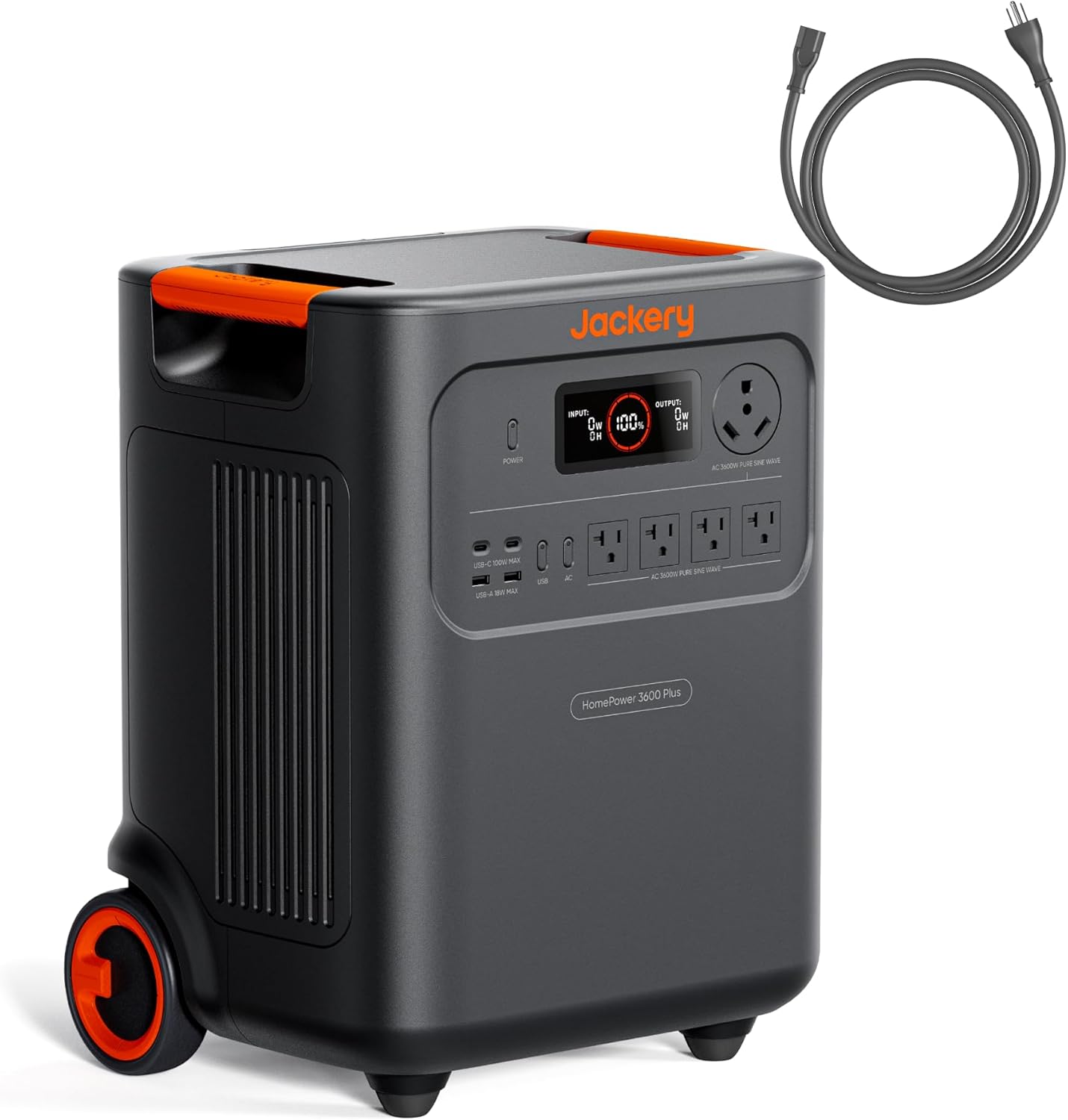
Why We Love It: When you need serious charging power, the SolarSaga 100W delivers. This isn’t a pocket-sized panel—it’s a legitimate solar solution capable of powering small appliances through a compatible power station. For homesteaders and serious preppers, this is the panel that can actually run your emergency communications, medical equipment, or even a small refrigerator.
The efficiency rating on this thing is remarkable. At 23% conversion efficiency, it outperforms most panels in its class. Pair it with a Jackery Explorer power station and you’ve got a genuine off-grid power system that fits in your vehicle.
Owner reports from multi-day power outages tell the story: combined with the Explorer 500, users have run a CPAP machine, kept a whole household’s phones charged, and kept a portable radio going around the clock. That’s real-world emergency performance.
Key Features:
- 100W monocrystalline solar panel
- 23% conversion efficiency—among the highest available
- Compatible with Jackery Explorer power stations
- Dual USB ports plus DC output
- Foldable design with carry handle
- IP65 water-resistant rating
Pros:
- Enough power for serious emergency use
- Excellent efficiency even in partial sun
- Pairs perfectly with Jackery power stations
- Sturdy build quality with 2-year warranty
Cons:
- Larger and heavier—less portable for hiking
- Premium price point
- Best value when paired with Jackery power station
Price: $$$$
4. BigBlue 28W Solar Charger — Best Value
!
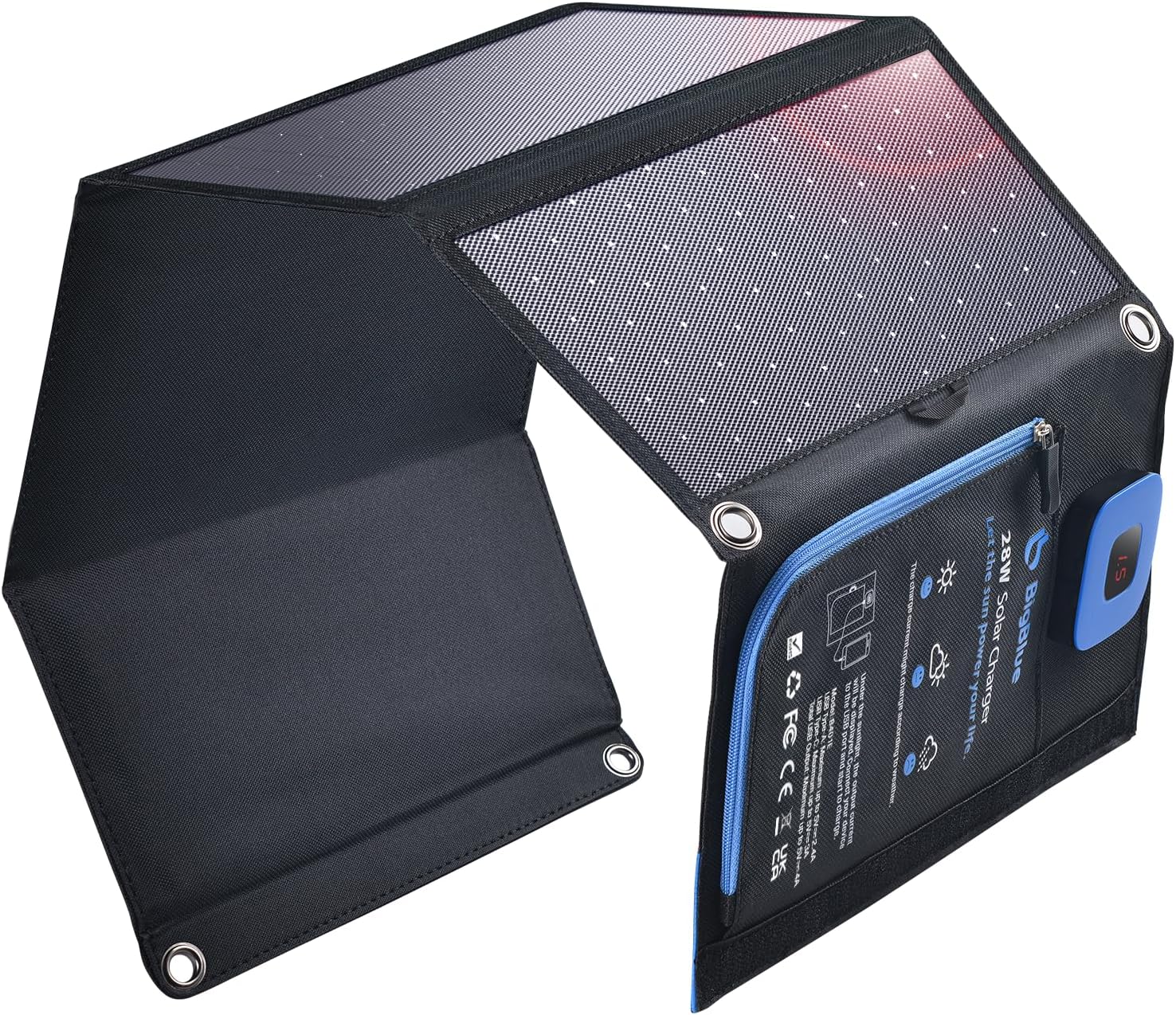
Why We Love It: BigBlue punches way above its weight class. The 28W output puts it ahead of most portable chargers, and the integrated ammeter is a feature you didn’t know you needed until you have it. Watching the real-time charging current helps you position the panel perfectly and know exactly how much juice you’re actually getting.
The waterproof rating is a genuine IPX4—we’ve left this out in rainstorms and it keeps working. For preppers who might be charging gear in less-than-ideal conditions, that matters enormously. No scrambling to protect your equipment when the weather turns.
Three USB ports means you can charge multiple devices simultaneously. Phone, power bank, and headlamp all at once? No problem.
Key Features:
- 28W output with SunPower cells
- Built-in digital ammeter showing real-time charging
- IPX4 waterproof rating
- Three USB charging ports (1 USB-C, 2 USB-A)
- Foldable design with carabiners included
- 25.4% high-efficiency solar cells
Pros:
- Excellent price-to-performance ratio
- Digital ammeter for real-time monitoring
- Genuinely waterproof for outdoor use
- High-efficiency SunPower cells
Cons:
- Slightly heavier than comparable panels
- USB ports can be tight fit for some cables
- No integrated battery storage
Price: $$
5. Nekteck 21W Solar Charger — Budget Alternative
!
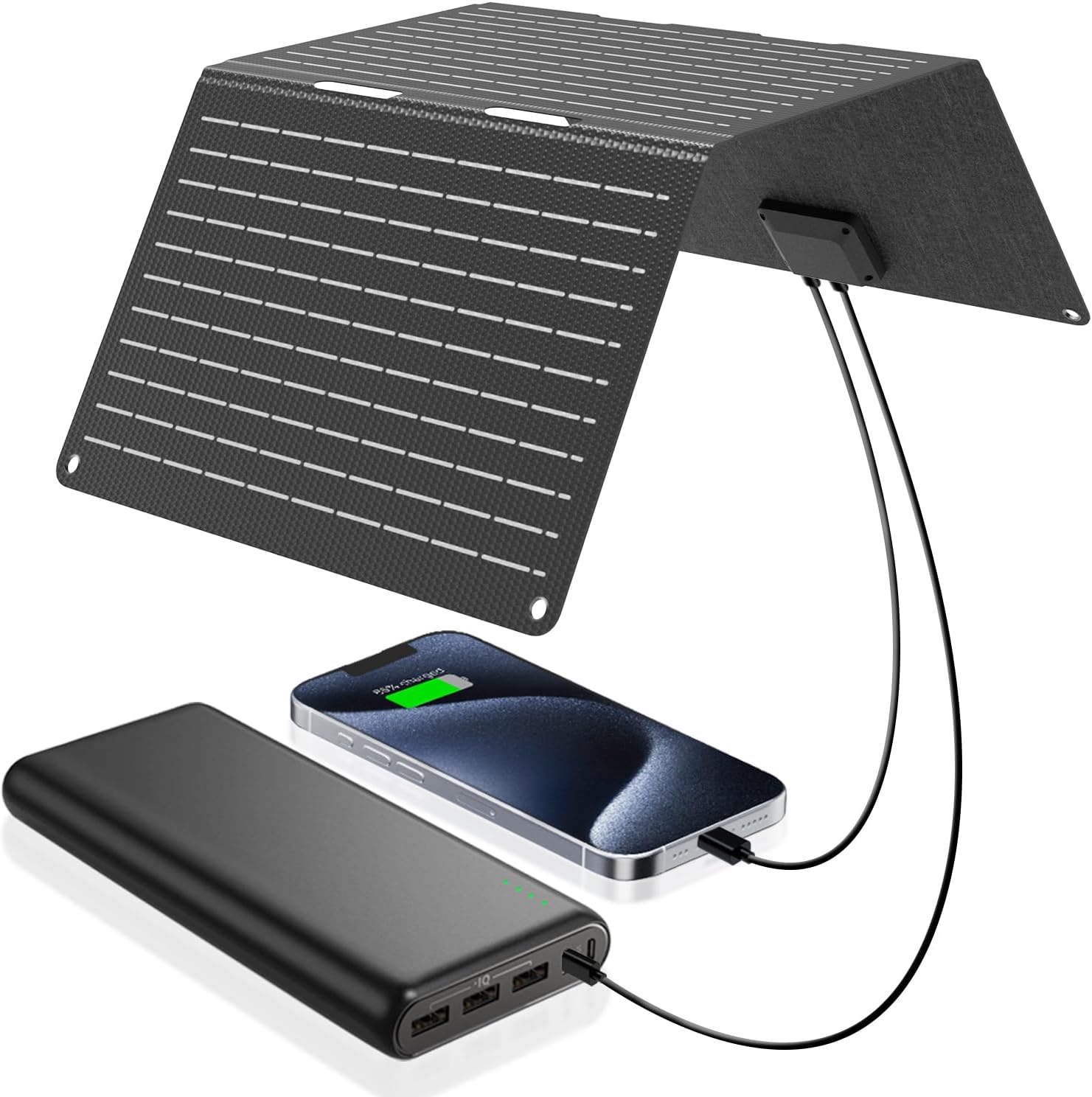
Why We Love It: Not everyone has $100+ to spend on a solar charger, and that’s okay. The Nekteck 21W proves you can get reliable emergency charging for about half the price of premium options. It’s not going to win efficiency awards, but it’ll charge your phone when the power’s out—and that’s what counts.
We keep one of these in every vehicle and another in our emergency bucket kit. At this price point, redundancy is actually affordable. And honestly? In ideal conditions, the Nekteck performs nearly as well as panels costing twice as much.
Key Features:
- 21W high-efficiency solar panels
- Dual USB ports with smart IC chip
- Lightweight at 18 oz when folded
- IPX4 splash-proof rating
- Foldable with included carabiner hooks
- Auto-restart after interruption
Pros:
- Outstanding value for budget-conscious preppers
- Lightweight and highly packable
- Reliable performance in good conditions
- Smart charging prevents device damage
Cons:
- Performance drops significantly in overcast conditions
- Build quality not as robust as premium options
- Slower charging speeds overall
Price: $
6. Goal Zero Venture 75 Power Bank — Best With Integrated Battery
!
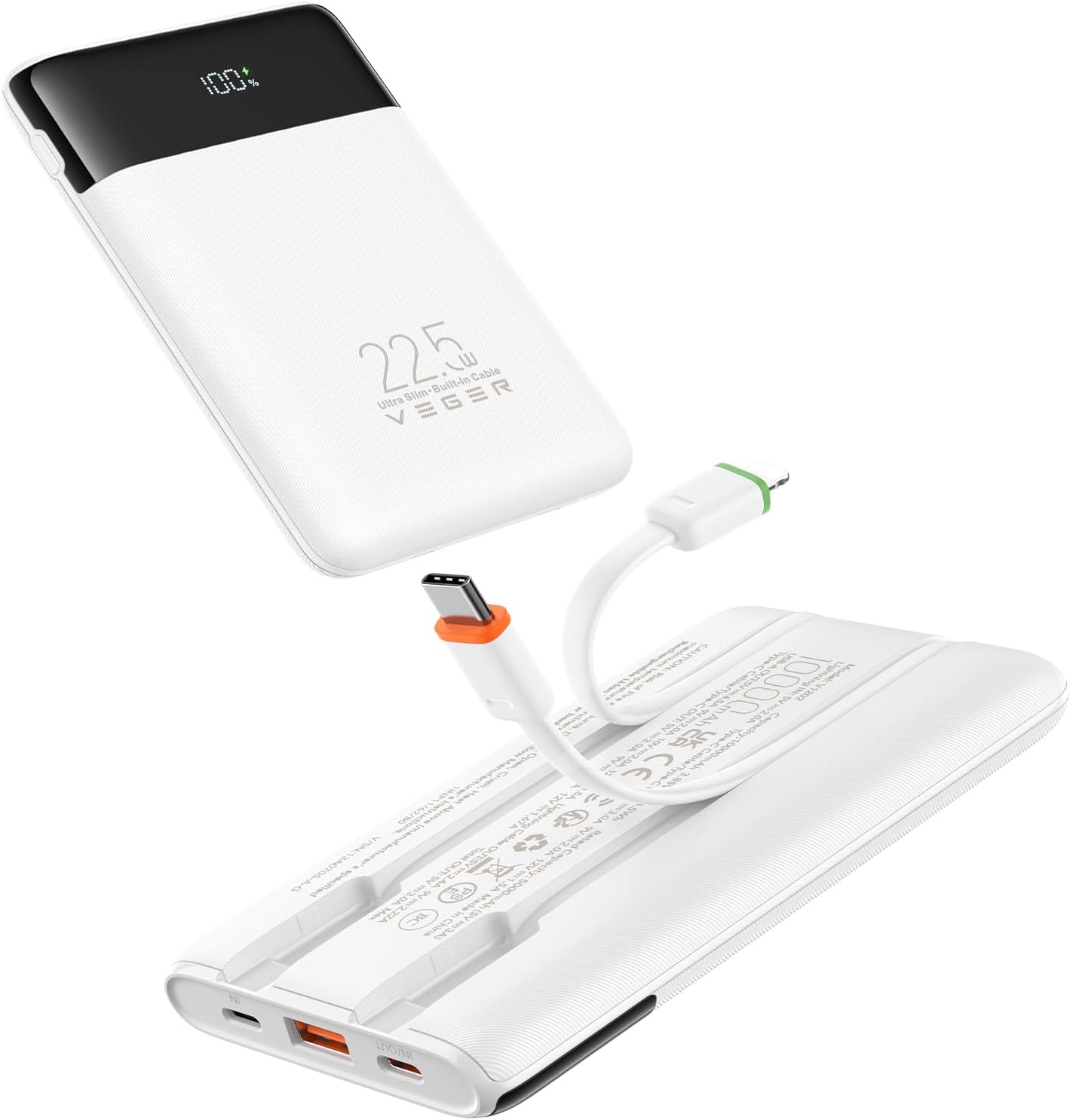
Why We Love It: Sometimes you need to capture solar energy now and use it later. The Venture 75 combines a solar-optimized power bank with the ability to connect to Goal Zero’s solar panels. It’s not a standalone solar charger, but it’s the perfect companion piece that makes your solar setup truly emergency-ready.
The built-in battery means you can charge during peak sunlight and still power devices after dark. For overnight emergencies or extended outages, this flexibility is invaluable. Plus, the integrated solar input is optimized—it won’t damage the battery with irregular solar charging like some generic power banks.
Key Features:
- 19,200mAh (75Wh) lithium battery
- Dual USB-A and USB-C outputs
- Optimized for Goal Zero solar panels
- IP67 waterproof rating—fully submersible
- Pass-through charging capability
- Built-in flashlight
Pros:
- True waterproof rating—works in any conditions
- Stores energy for nighttime use
- Pass-through means continuous operation
- Pairs seamlessly with Goal Zero ecosystem
Cons:
- Requires separate solar panel
- Heavier than basic power banks
- Premium price for the capacity
Price: $$$
7. Renogy E.Flex 30W — Best Portable Higher-Wattage
!
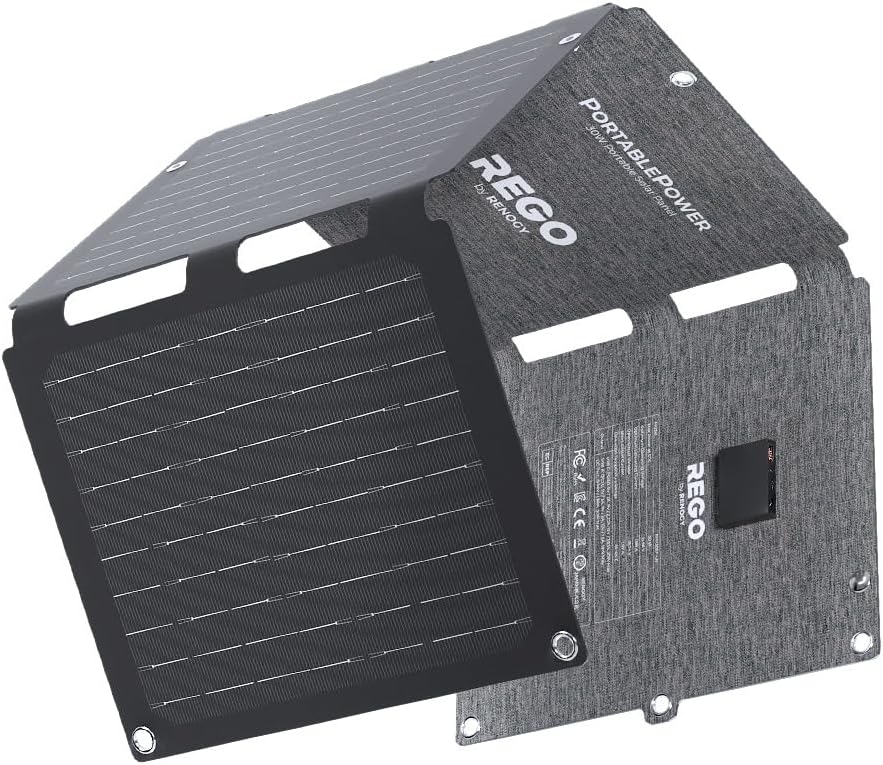
Why We Love It: Renogy is a heavyweight in the solar industry, and the E.Flex brings their expertise to the portable market. At 30W, you’re getting legitimate charging power that rivals small roof-mounted panels. But unlike rigid panels, this one folds down and fits in your pack.
The durability factor here is serious. Renogy designs panels for permanent installation on RVs and cabins—they know how to build for the long haul. The E.Flex brings that same engineering philosophy to a portable format. This panel will outlast most of the devices you’re charging with it.
Key Features:
- 30W monocrystalline panel
- USB-A, USB-C, and DC output ports
- IP67 water and dust resistant
- Foldable with integrated kickstand
- Includes multiple connector cables
- Compatible with most power stations
Pros:
- Higher wattage in portable form factor
- Renogy’s proven durability and reliability
- Multiple output options for flexibility
- Excellent customer support
Cons:
- Larger folded size than 20W panels
- Takes longer to reach full output in cold
- Premium pricing
Price: $$
8. BioLite SolarPanel 10+ — Best for Hiking
!
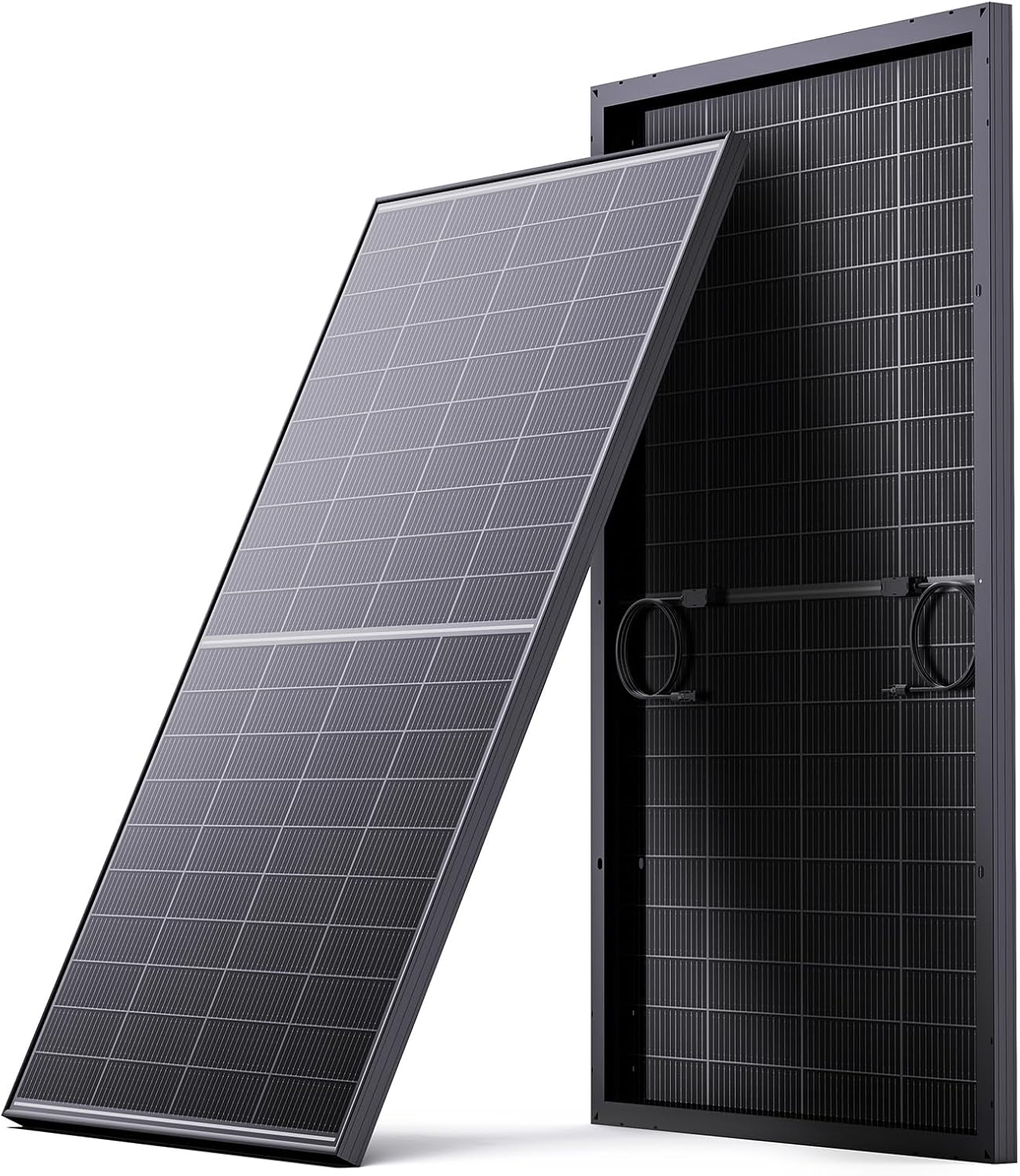
Why We Love It: BioLite designed this panel specifically for backpackers who need to stay connected on the trail. The integrated 3000mAh battery means you can capture power even when your devices are packed away, then charge gear at camp. The sundial alignment tool is clever—it helps you position the panel for maximum efficiency without guesswork.
For preppers who might need to bug out on foot, this is a compelling option. It’s genuinely packable, legitimately weatherproof, and the included battery ensures you’re not dependent on constant sun exposure.
Key Features:
- 10W solar panel with integrated sundial
- Built-in 3000mAh battery
- Ultra-slim profile (fits in hydration bladder pocket)
- 360-degree kickstand for any terrain
- USB-A and USB-C outputs
- Weighs just 1.5 lbs
Pros:
- Purpose-built for mobile use
- Integrated battery captures energy continuously
- Sundial ensures optimal positioning
- Genuinely ultralight for hiking
Cons:
- Lower wattage limits charging speed
- Battery capacity is modest
- Premium price for the wattage
Price: $$$
9. X-DRAGON 40W Solar Panel — Best High-Wattage Budget
!
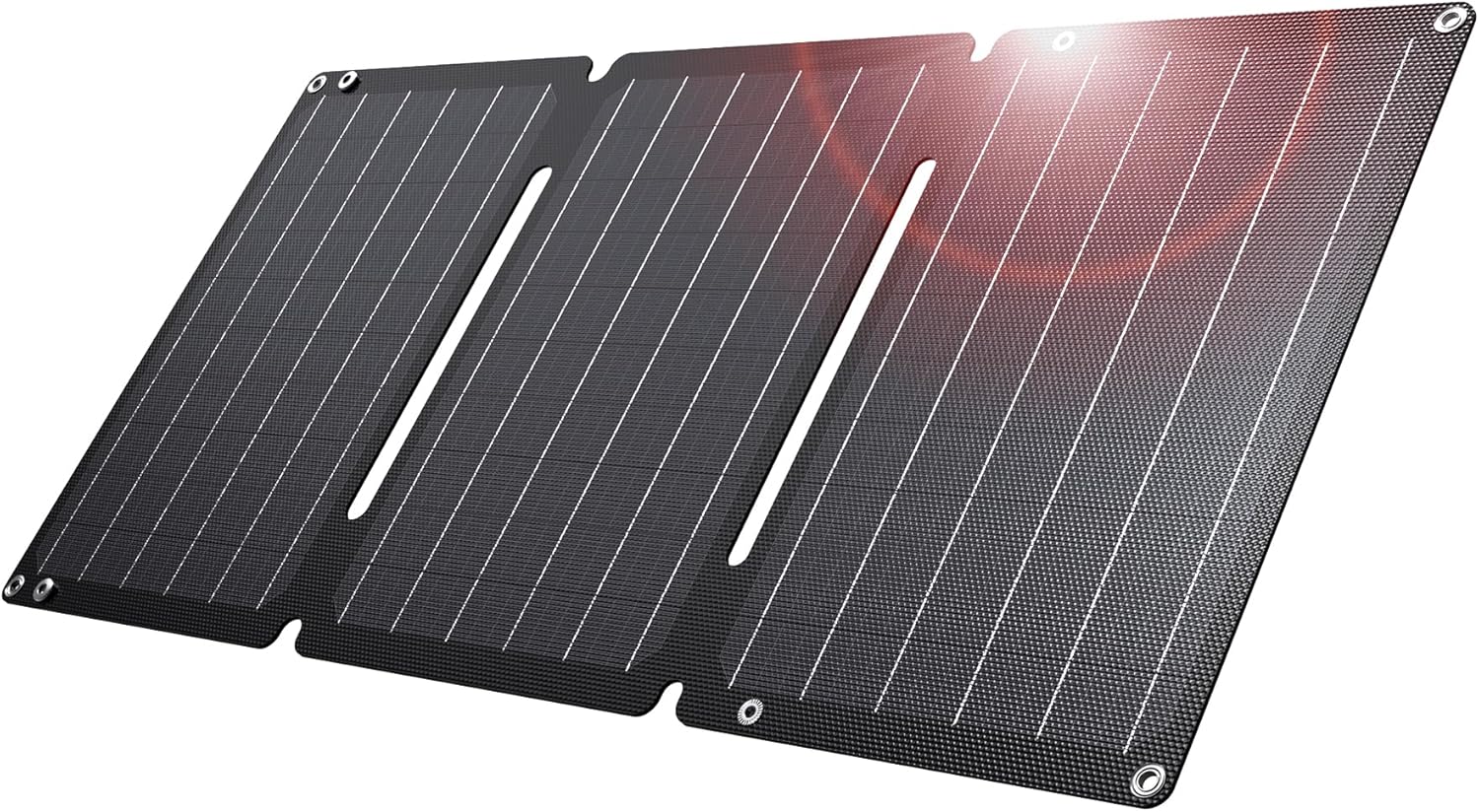
Why We Love It: If you need more power but can’t justify Jackery prices, X-DRAGON offers impressive wattage at a fraction of the cost. 40W is enough to charge tablets, laptops (with the right adapters), and multiple phones simultaneously. For vehicle-based emergency kits or home power backup, this hits a practical sweet spot.
We’re not going to pretend the build quality matches premium brands. But for a panel that lives in your truck’s emergency kit, the X-DRAGON delivers on its core promise: lots of power, reasonable price.
Key Features:
- 40W high-efficiency solar cells
- Dual USB ports plus DC 18V output
- Foldable design with carrying handle
- 10-in-1 connector cables included
- Smart charging technology
- 22-24% conversion efficiency
Pros:
- High wattage at budget pricing
- DC output for power stations and laptops
- Includes versatile connector cables
- Good performance for the price
Cons:
- Build quality is adequate, not premium
- Heavier and bulkier than smaller panels
- Customer support can be slow
Price: $$
10. BLAVOR Solar Power Bank 20000mAh — Best All-in-One
!
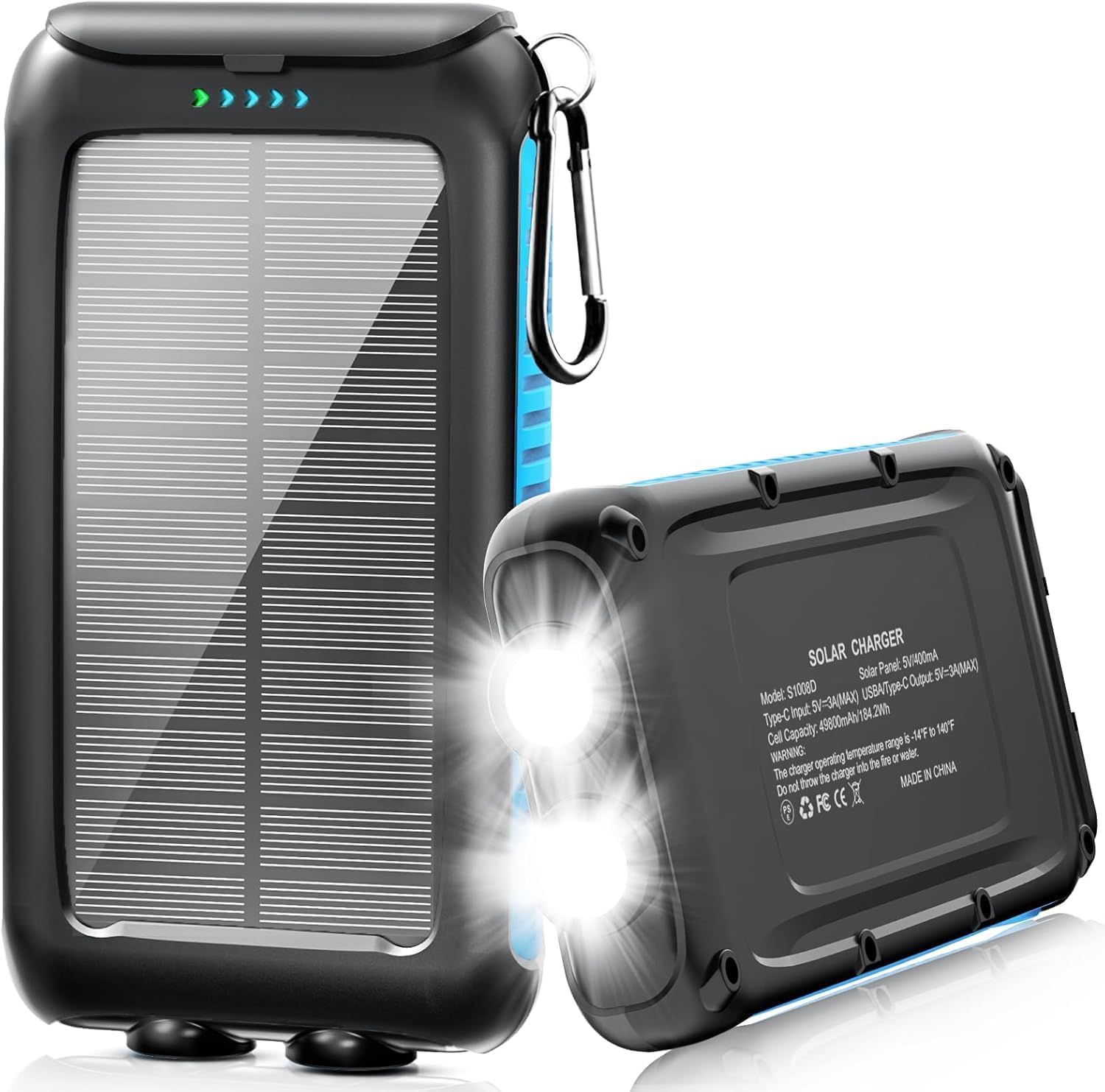
Why We Love It: Here’s the truth about all-in-one solar power banks: the solar panel is usually just for emergency trickle charging. But the BLAVOR is still worth recommending because it combines a solid 20,000mAh battery with genuinely useful backup solar, wireless charging, and a built-in flashlight. It’s a Swiss Army knife of emergency power.
Think of the solar panel as insurance, not a primary charging method. You’ll typically charge this at home or in your car, but when the grid goes down and you’ve drained the battery, that small solar panel could give you enough power for one critical phone call. Sometimes that’s all you need.
Key Features:
- 20,000mAh lithium polymer battery
- Dual USB ports plus wireless charging
- Integrated 2W solar panel for emergency charging
- Dual LED flashlight with SOS mode
- IP66 waterproof and dustproof
- Shockproof rubber casing
Pros:
- Multiple charging options in one device
- Wireless charging for compatible phones
- Rugged and waterproof design
- Great for grab-and-go emergency kits
Cons:
- Solar charging is slow (backup only)
- Heavier than standard power banks
- Wireless charging drains faster than wired
Price: $$
How to Choose the Right Solar Charger for Emergencies
Understanding Wattage: How Much Do You Actually Need?
Here’s a rough guide: your smartphone has about a 3,000-4,000mAh battery. A 20W solar panel in ideal conditions can fully charge a phone in 2-3 hours. But “ideal conditions” is the key phrase. Clouds, shade, panel angle—all of these reduce output. Plan for real-world performance, not lab specifications.
For basic emergency preparedness—keeping phones charged and running a radio—10-20W is sufficient. If you need to charge tablets, run medical equipment, or support multiple people, look at 40W and above. Power station users should match their panel wattage to their station’s input capacity.
Monocrystalline vs. Polycrystalline Cells
Skip the polycrystalline panels. Yes, they’re cheaper. But monocrystalline cells perform significantly better in real conditions—especially low light, partial shade, and extreme temperatures. When you’re dealing with an emergency, you can’t control the weather. Monocrystalline panels give you the best chance of actually getting power when you need it.
Portability vs. Power: Finding Your Balance
Be honest about how you’ll actually use your solar charger. If it’s going in a bug-out bag that you might need to carry for miles, every ounce matters. Get a lightweight 10-21W panel. If it lives in your car’s emergency kit or at your homestead, weight is irrelevant—get the biggest panel you can afford.
The number one mistake preppers make? Buying a big, powerful panel that’s too bulky to actually grab in an emergency. A smaller panel you’ll actually take is worth more than a monster panel collecting dust in the garage.
Water Resistance Matters More Than You Think
Emergencies often involve water. Storms, floods, rain—or just dew forming overnight on your gear. Look for at least an IPX4 rating (splash-proof) for any solar charger you’re relying on. For serious use, IP65 or higher gives you genuine weather protection.
Built-In Battery: Convenience or Complication?
Panels with integrated batteries let you capture energy and use it later—valuable during emergencies where you might need power at night. The downside? Batteries add weight, can fail independently of the panel, and complicate airline travel. For most preppers, we recommend separate panels and power banks. It gives you more flexibility and lets you replace components individually as needed.
Frequently Asked Questions
What is the best solar charger for emergency situations?
For most preppers, the Goal Zero Nomad 20 offers the best balance of reliability, durability, and portability. It’s proven technology from a trusted brand, performs well in less-than-ideal conditions, and will last for years of emergency readiness. Budget-conscious preppers should consider the Anker 21W PowerPort Solar as an excellent alternative at about half the price.
How long does it take to charge a phone with a solar charger?
In direct sunlight with a quality 20W panel, expect 2-3 hours for a full smartphone charge. Real-world conditions typically mean 3-5 hours. Overcast skies can double or triple charging time—or make charging impractical with lower-quality panels. Always carry a pre-charged power bank as backup, and use your solar panel to recharge the power bank rather than your phone directly.
Can I charge my phone on a cloudy day with a solar charger?
Yes, but with significant caveats. Quality panels (especially monocrystalline) can still charge on overcast days, just much slower. Expect 20-40% of rated output on a cloudy day. Cheap panels may drop to nearly zero output. This is where premium panels really prove their worth—the efficiency difference becomes dramatic when conditions aren’t ideal.
What size solar charger do I need for emergency preparedness?
For individual use with smartphones and small devices, 15-21W is sufficient. For family use or charging tablets and power banks, look at 25-40W. If you’re running a power station to power medical equipment, communications, or small appliances, 100W panels paired with a compatible power station are the minimum for serious off-grid capability.
Should I get a solar charger with a built-in battery?
It depends on your use case. Integrated batteries add convenience—charge during the day, use at night—but they add weight, cost, and potential failure points. For grab-and-go emergency bags, an all-in-one might make sense. For comprehensive preparedness, we recommend separate components: a quality solar panel plus a separate power bank. This lets you upgrade or replace parts individually and gives you more flexibility in how you deploy your gear.
Final Thoughts
A reliable solar charger isn’t just a nice-to-have for preppers—it’s an essential piece of emergency equipment. When the grid fails, your ability to communicate, navigate, and access critical information depends on keeping your devices powered. The sun doesn’t care about infrastructure failures or supply chain disruptions. It just works.
Start with something—even a budget panel is infinitely better than no panel. But if you can afford quality, the investment pays off in reliability when it matters most. The Goal Zero Nomad 20 remains our top recommendation for serious preppers. For those on a budget, the Anker 21W or BigBlue 28W deliver impressive performance at accessible price points.
Whatever you choose, test it before you need it. Take it camping, use it on a sunny afternoon, understand how it performs. The middle of an emergency is not the time to read the instruction manual.
Stay prepared, stay powered.
Last Updated: February 2026