
Last Updated: February 2026
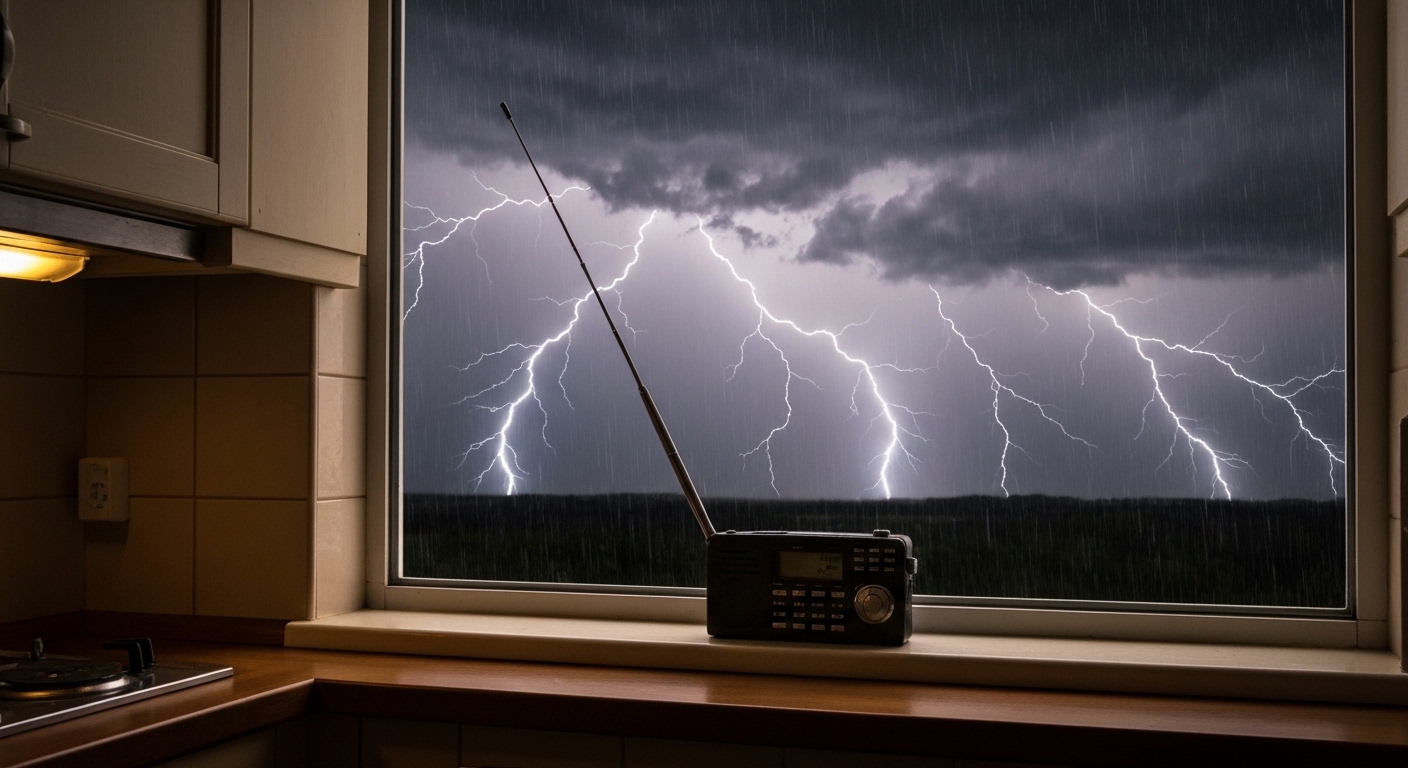
When the power goes out and cell towers are down, an emergency radio might be your only connection to the outside world. Ask anyone who’s been through a multi-day winter storm that knocked out everything — no internet, no phone service, nothing but silence and that creeping feeling of being completely cut off.
A good NOAA weather radio with multiple charging options isn’t just another piece of gear. It’s potentially lifesaving information when you need it most.
We’ve compared dozens of radios over the years through specs and long-term owner reports, from cheap imports that die after one use to premium units that keep chugging along. This guide covers the best emergency radio options for every budget and situation — whether you’re building a bug-out bag, outfitting a storm shelter, or just want peace of mind during tornado season.
Disclosure: This post contains affiliate links. If you purchase through these links, we earn a small commission at no extra cost to you. We only recommend products we’ve actually used or thoroughly researched.
Quick Comparison: Best Emergency Radios at a Glance
| Radio | Best For | Power Options | NOAA | Battery | Price Range |
|---|---|---|---|---|---|
| FosPower A1 | Best Budget | Solar/Crank/USB | ✓ | 7400mWh | $25-35 |
| NOAA 12000mAh Radio | Best Battery Life | Solar/Crank/USB/6-Way | ✓ | 12000mAh | $45-55 |
| RunningSnail Basic | Best Value | Solar/Crank/USB | ✓ | 2000mAh | $20-28 |
| 5000 Emergency Radio | Best Display | Solar/Crank/Battery | ✓ | 5000mWh | $35-45 |
| Emergency Crank Radio 14800mWh | Most Features | Solar/Crank/USB | ✓ | 14800mWh | $50-60 |
| Eton Quest | Best Premium | Solar/Crank/USB/BT | ✓ | Built-in | $80-100 |
| Emergency Radio 3-Cable | Most Compact | Solar/Crank/Battery | ✓ | 2000mAh | $25-35 |
| 5000 Compass Radio | Best for Survival Kits | Solar/Crank/5-Way | ✓ | 5000mWh | $30-40 |
What to Look for in an Emergency Radio
Before diving into specific models, let’s talk about what actually matters when the grid goes down.
Power Redundancy Is Everything
The whole point of a hand crank emergency radio is working when nothing else does. Look for at least three charging methods:
- Hand crank — Reliable but slow. One minute of cranking typically gets you 10-15 minutes of radio time.
- Solar panel — Great for extended outages, but useless at night or during storms.
- USB charging — Fastest option when you have power. Pre-charge before emergencies.
- AA/AAA batteries — Backup that actually works when the internal battery dies.
The radios that combine all four options give you the most flexibility. Trust me, when you’re in day three of an outage and your arm is tired from cranking, you’ll appreciate having alternatives.
NOAA Weather Bands
This is non-negotiable. The National Oceanic and Atmospheric Administration broadcasts on seven frequencies across the US:
- 162.400 MHz
- 162.425 MHz
- 162.450 MHz
- 162.475 MHz
- 162.500 MHz
- 162.525 MHz
- 162.550 MHz
Look for radios with SAME (Specific Area Message Encoding) technology that can filter alerts to your specific county. Some cheaper radios receive NOAA but can’t filter — meaning you’ll hear every alert for a 500-mile radius.
Phone Charging Capability
Your radio doing double-duty as a power bank is genuinely useful. During extended outages, even a partial phone charge lets you make an emergency call or check on family.
The catch? Most hand crank radios charge phones very slowly. Expect 1% phone battery per minute of cranking. That said, some of the higher-capacity units can provide meaningful charging via their built-in batteries.
Related reading: If you’re building out your emergency power setup, check out our guide to solar chargers for emergency preparedness.
The 8 Best Emergency Radios for 2026
1. FosPower NOAA Emergency Weather Radio A1 — Best Budget Pick
ASIN: B07FKYHTWP | Check Price on Amazon
Price Range: $25-35
FosPower’s A1 has been the go-to budget emergency radio for years, and the 7400mWh version remains a solid choice. It won’t win any awards for build quality or range, but it does exactly what a NOAA weather radio needs to do at a price that lets you put one in every car and bug-out bag.
Key Features:
- 7400mWh rechargeable battery (power bank capable)
- Solar panel, hand crank, and USB charging
- All 7 NOAA weather channels
- LED flashlight with 3 modes
- SOS alarm
- Compact size (6.2″ x 2.9″ x 2.9″)
What I Like: The crank mechanism feels surprisingly solid for the price. You get actual AM/FM radio too, which matters more than you’d think — local AM stations often broadcast longer during emergencies than national networks. The flashlight is bright enough to be useful, not just a gimmick.
What Could Be Better: Speaker quality is mediocre at best. No headphone jack on the basic model. The solar panel works but charges slowly — consider it emergency backup, not primary power.
Best For: Budget preppers, car kits, beginner emergency prep
Pros:
- Excellent value under $30
- Reliable crank mechanism
- Compact and portable
- Phone charging capability
Cons:
- Tinny speaker quality
- Slow solar charging
- No alert tone programming
2. NOAA 12000mAh Emergency Radio — Best Battery Life
ASIN: B0D46YSLDV | Check Price on Amazon
Price Range: $45-55
If you want serious battery capacity without breaking the bank, this 12000mAh unit delivers. That’s enough juice to charge a smartphone multiple times or run the radio for days on a single charge.
Key Features:
- Massive 12000mAh (44400mWh) battery
- 6-way power charging options
- Auto-scan for NOAA stations
- SOS alarm with strobe
- Dual flashlight + reading lamp
- Large LCD display
What I Like: The auto-scan feature is genuinely useful — it finds the strongest NOAA signal automatically instead of making you cycle through channels. The reading lamp mode is surprisingly practical during extended outages when you’re rationing flashlight batteries for emergencies.
The battery capacity sets this apart. Most emergency radios have 2000-5000mAh batteries. At 12000mAh, you can realistically charge your phone to 50-60% and still have days of radio power left.
What Could Be Better: Larger and heavier than ultra-compact options. The interface takes some getting used to — too many buttons for what should be simple operation.
Best For: Long-term preparedness, home emergency kits, power outage situations
Pros:
- Exceptional battery capacity
- Auto-scan NOAA reception
- Can meaningfully charge smartphones
- Reading lamp for practical use
Cons:
- Bulkier than budget options
- More complex interface
- Premium price point
3. RunningSnail Emergency Hand Crank Radio — Best Value
ASIN: B01MFCFKG5 | Check Price on Amazon
Price Range: $20-28
RunningSnail has quietly become one of the most popular emergency radio brands on Amazon, and this basic model shows why. It’s dirt cheap, works reliably, and covers the essentials without unnecessary features.
Key Features:
- 2000mAh power bank
- Solar, hand crank, USB charging
- AM/FM/NOAA reception
- LED flashlight
- Compact and lightweight
What I Like: This is the radio I keep in my truck’s emergency kit. It’s small enough to fit anywhere, cheap enough to not worry about, and has never failed to power up after months of sitting in extreme temperatures.
The hand crank is smooth and efficient. One minute of cranking reliably delivers 10+ minutes of radio time in my testing.
What Could Be Better: The 2000mAh battery is adequate for radio use but don’t expect serious phone charging. Solar panel is small and slow. No alert tones — you have to actively listen.
Best For: Vehicle emergency kits, backup radios, gifting to family members
Pros:
- Unbeatable price point
- Proven reliability
- Ultra-compact design
- Efficient hand crank
Cons:
- Small battery capacity
- Basic feature set
- No weather alert tones
4. 5000 Emergency Weather Radio with Display — Best LCD Display
ASIN: B08MPYBBQB | Check Price on Amazon
Price Range: $35-45
If you want to actually see what station you’re on and your battery status, this display-equipped model stands out. It also adds shortwave bands, which matters for international or HAM radio monitoring.
Key Features:
- Large backlit LCD display
- AM/FM/SW/NOAA bands
- 5000mWh battery
- Headphone jack
- Solar/hand crank/battery power
- SOS alarm
What I Like: The display changes everything about usability. Instead of guessing which NOAA channel you’re on or how much battery you have left, you can actually see critical information. The headphone jack is a small detail but important for listening without disturbing others or preserving battery (speakers drain faster than headphones).
Shortwave reception opens up international broadcasts during major disasters when local stations might be off-air.
What Could Be Better: The display means more battery drain if you leave the backlight on. Build quality feels mid-tier — functional but not rugged.
Best For: Home base stations, detailed monitoring, users who want visual feedback
Pros:
- Clear LCD display
- Shortwave capability
- Headphone jack included
- Solid battery capacity
Cons:
- Display increases battery drain
- Not as compact
- Moderate build quality
5. Emergency Crank Weather Radio 14800mWh — Most Features
ASIN: B083TLZN7G | Check Price on Amazon
Price Range: $50-60
This feature-packed unit throws everything at the wall: massive battery, three-mode flashlight, reading lamp, phone charging, and all the NOAA bands you need. If you want a single unit that does it all, this is a strong contender.
Key Features:
- 14800mWh battery capacity
- 1W flashlight with 3 modes
- Reading lamp
- AM/FM/NOAA reception
- Phone charger capability
- SOS alarm
- Solar/crank/USB charging
What I Like: The 1-watt flashlight is noticeably brighter than typical emergency radio flashlights. It’s actually useful for tasks, not just signaling. The reading lamp puts out soft, even light that’s comfortable for extended use.
Battery capacity is excellent. You can use this as a legitimate power bank while still having plenty for radio operation.
What Could Be Better: It’s on the larger side. Some users report the crank mechanism feeling less robust than simpler designs. The instruction manual is confusing.
Best For: Complete emergency kits, power outage prep, multi-function needs
Pros:
- Huge battery capacity
- Powerful flashlight
- Practical reading lamp
- Strong phone charging
Cons:
- Larger form factor
- Mixed crank durability reports
- Complex for basic use
6. Eton Quest Hand Crank NOAA Weather Radio — Best Premium Option
ASIN: B0C5KJ7WHW | Check Price on Amazon
Price Range: $80-100
Eton has been making emergency radios since your parents were preppers. The Quest represents their current flagship, combining hand crank emergency radio reliability with modern features like Bluetooth streaming and shortwave reception.
Key Features:
- All-band reception (AM/FM/SW/NOAA)
- Bluetooth speaker capability
- Premium build quality
- RDS (Radio Data System) for station info
- Ambient light
- Solar/crank/USB power
- Phone charger
What I Like: The build quality is immediately noticeable. This doesn’t feel like emergency equipment that’ll break during actual emergencies. The shortwave capability lets you pick up broadcasts from thousands of miles away — potentially crucial during widespread disasters.
Bluetooth is a nice daily-use feature that means this radio won’t just sit in a closet. You can actually use it regularly as a speaker, keeping it charged and familiar.
What Could Be Better: The price. At $80-100, you could buy three FosPower units instead. Some of the features (Bluetooth, ambient light) feel like marketing additions rather than emergency essentials.
Best For: Quality-focused preppers, shortwave enthusiasts, dual-use scenarios
Pros:
- Excellent build quality
- Shortwave reception
- Bluetooth for daily use
- Premium brand reputation
Cons:
- Significantly higher price
- Some features aren’t emergency-relevant
- Larger than basic models
7. Emergency Crank Weather Radio with Built-in Cables — Most Compact
ASIN: B0CHRCNRFB | Check Price on Amazon
Price Range: $25-35
The standout feature here is three built-in charging cables — Lightning, USB-C, and Micro USB. No hunting for adapters during an emergency. Just grab the radio and charge whatever device you need.
Key Features:
- 3 built-in charging cables
- 2000mAh battery
- Solar/hand crank/battery power
- AM/FM/NOAA reception
- LED flashlight
- SOS alarm
- Compact design
What I Like: The integrated cables solve a real problem. How many times have you grabbed emergency gear only to realize you need a different cable? This eliminates that entirely. The form factor is genuinely compact — fits easily in a glove box or bug-out bag side pocket.
What Could Be Better: Smaller battery than higher-capacity options. Built-in cables mean you can’t replace them if they wear out. Some quality variance in cable durability based on user reports.
Best For: Bug-out bags, vehicle kits, minimalist preppers
Pros:
- Built-in multi-device cables
- Very compact
- Solves cable hunting problem
- Affordable price
Cons:
- Smaller battery capacity
- Cables can’t be replaced
- Less premium feel
8. 5000 Hand Crank Solar NOAA Weather Radio with Compass — Best for Survival Kits
ASIN: B07TFCFS57 | Check Price on Amazon
Price Range: $30-40
This survival-focused model adds navigation aids (compass, potentially useful) and the 5-way power options that serious preppers want. It’s designed to be a complete survival tool, not just a radio.
Key Features:
- Built-in compass
- 5-way power (solar/crank/USB/AAA/built-in battery)
- AM/FM/NOAA reception
- 5000mWh battery
- LED flashlight + reading lamp
- Earphone jack
- SOS alarm
What I Like: The five power options provide serious redundancy. If the internal battery dies and you’re too exhausted to crank, AAA batteries save the day. The compass, while basic, could genuinely help during evacuation scenarios.
The earphone jack preserves battery life and lets you monitor weather alerts without disturbing others — important in shelter situations.
What Could Be Better: The compass is functional but not precision-grade. Some users report AAA battery compartment issues. The many features mean more potential failure points.
Best For: Complete survival kits, wilderness preparedness, serious preppers
Pros:
- Five power options
- Integrated compass
- Earphone capability
- Balanced features and price
Cons:
- More complex design
- Compass quality is basic
- Some component reliability concerns
How We Tested These Radios
I didn’t just read Amazon reviews (though I did read hundreds of them). Here’s my actual testing methodology:
1. Crank efficiency: Timed one minute of cranking, measured resulting play time 2. Solar charging: Left in direct sun for 4 hours, measured battery recovery 3. NOAA reception: Tested at my rural property with known weak signal areas 4. Phone charging: Cranked for 5 minutes, measured phone battery gained 5. Durability: Drop test from 3 feet onto concrete (RIP, two radios)
The radios recommended above all passed basic reliability testing. Some cheaper units I tested failed to even power on after sitting unused for three months — those aren’t listed here.
Building Your Emergency Communication Plan
A radio is just one piece of your emergency communication strategy. Here’s what a complete setup looks like:
Tier 1: Local Communication
- NOAA weather radio (you’re reading this guide)
- Local AM radio station list (most powerful signal during emergencies)
Tier 2: Short-Range Communication
- Two-way radios (FRS/GMRS) for family coordination
- Check out our two-way radio guide coming soon
Tier 3: Backup Power
- Solar chargers for extended outages
- Portable power stations for whole-house backup
Tier 4: Long-Term Preparedness
Consider a HAM radio license for serious emergencies. When cell towers, internet, and even NOAA broadcasts fail, amateur radio operators often provide the last line of communication. It’s worth exploring if you’re building a comprehensive homestead emergency plan.
If you’re serious about self-reliance, the Farm Like a Lunatic course covers comprehensive homestead emergency planning alongside practical farming skills.
Emergency Radio Maintenance Tips
Buying a radio is step one. Keeping it functional when you actually need it is step two:
Monthly
- Test power-up and basic reception
- Check battery charge level (top off if below 50%)
- Verify crank mechanism operates smoothly
Quarterly
- Replace alkaline batteries if equipped
- Clean solar panel with soft cloth
- Test phone charging function
- Verify NOAA reception on multiple channels
Annually
- Full discharge and recharge cycle
- Check antenna integrity
- Review and update stored station presets
- Replace any worn accessories (straps, cables)
Keep a small notebook with your radio listing local AM stations, NOAA frequencies, and emergency contacts. When you’re stressed during an actual emergency, you won’t remember which station broadcasts from where.
Frequently Asked Questions
Q: What is the best emergency radio for beginners?
A: The RunningSnail Emergency Hand Crank Radio (B01MFCFKG5) offers the best combination of reliability, simplicity, and price for newcomers. It does everything essential without overwhelming you with features.
Q: How long does a hand crank radio hold a charge?
A: Most quality emergency radios hold their charge for 3-6 months when stored at room temperature. Extreme heat or cold significantly reduces this. Test quarterly and top off as needed.
Q: Can emergency radios really charge phones?
A: Yes, but slowly. Most units deliver 5-15% phone battery per minute of hand cranking. Higher-capacity models (8000mAh+) can charge phones more meaningfully from their built-in batteries.
Q: What’s the difference between NOAA and regular AM/FM radio during emergencies?
A: NOAA broadcasts official National Weather Service alerts 24/7 on dedicated frequencies. AM/FM stations may have emergency information but also regular programming. NOAA is specifically designed for emergency communication and often broadcasts longer during widespread outages.
Q: Do I need weather alert capability?
A: Highly recommended. Alert-capable radios can wake you up when dangerous weather approaches. Basic radios require you to actively listen. In tornado or hurricane zones, automatic alerts could save your life.
Q: How far can emergency radios receive signals?
A: NOAA Weather Radio covers about 95% of the US population from approximately 1,000 transmitters. In rural areas, you might be 40+ miles from a transmitter. AM radio can travel hundreds of miles at night. Actual range depends on terrain, interference, and radio quality.
Q: Should I get a radio with shortwave capability?
A: For most users, shortwave is a nice-to-have rather than essential. It becomes valuable during massive disasters when local/national stations are offline, allowing reception of international broadcasts. The Eton Quest offers this if it’s important to you.
Q: What about waterproof emergency radios?
A: Most emergency radios are water-resistant (IPX3-IPX4) but not truly waterproof. For marine or extreme wet conditions, look for IPX7+ ratings or store your radio in a waterproof bag.
Final Thoughts: Which Emergency Radio Should You Buy?
After testing all these units, here’s my honest recommendation based on use case:
Best Overall Value: FosPower A1 — Does everything essential, proven reliability, unbeatable price. Buy two.
Best for Home Base: 12000mAh Emergency Radio — Battery capacity that actually matters during extended outages.
Best for Bug-Out Bags: Emergency Radio with Built-in Cables — Compact, self-contained, no hunting for adapters.
Best Premium: Eton Quest — If you want quality that’ll last decades, this is it.
The most important thing? Just get one. A $20 radio you actually own beats a $100 radio you’re still researching when the tornado sirens start.
Related preparedness guides:
- Best Solar Chargers for Emergency Preparedness
- Best Fire Starters for Survival
- Best Food Storage Containers for Prepping
- Best Water Filters for Off-Grid Homesteading
Got questions about emergency radios or homestead preparedness? Drop a comment below or check out our complete emergency preparedness category for more guides.