
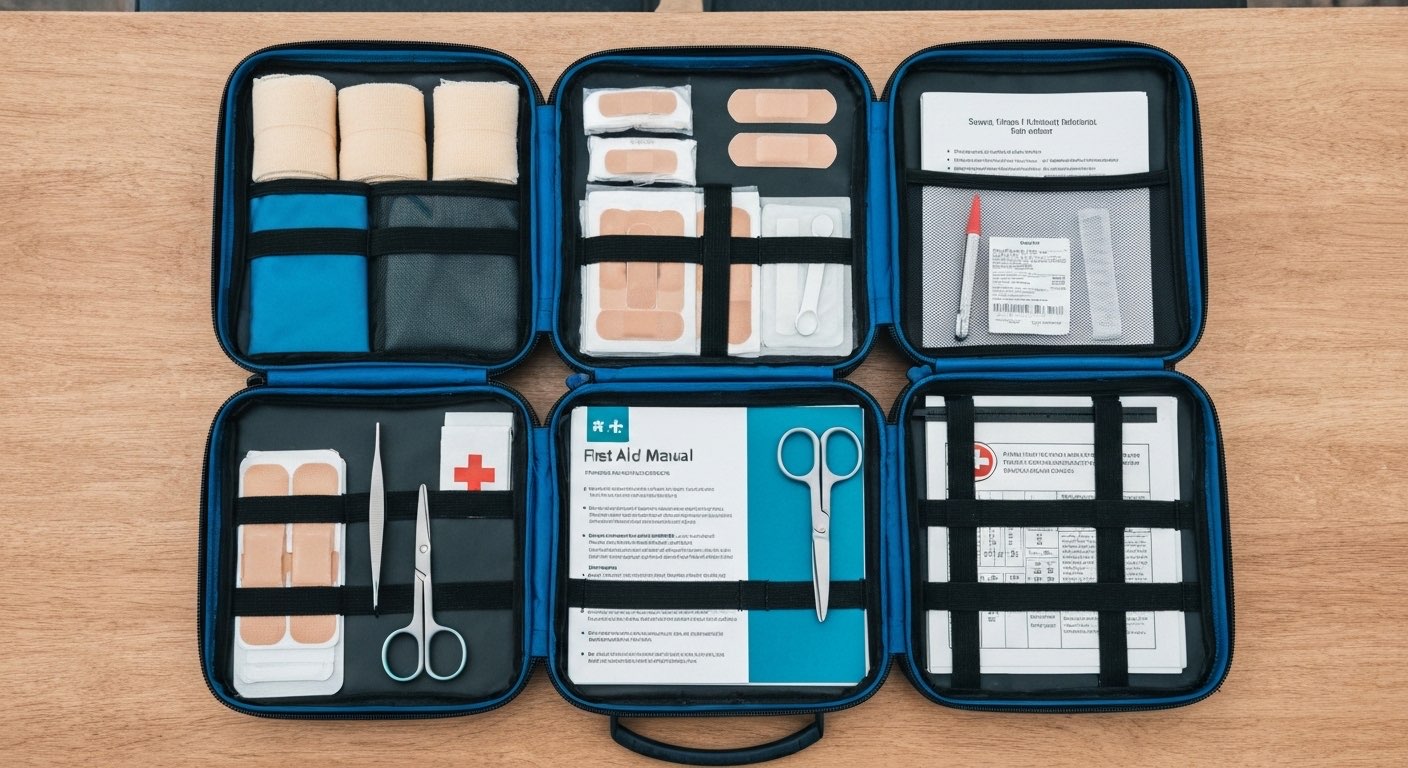
How to Build a Survival Medical Kit: Complete Checklist for Emergencies
Affiliate Disclosure: This post may contain affiliate links. If you choose to purchase after clicking a link, we may receive a commission at no extra cost to you. As an Amazon Associate, we earn from qualifying purchases.
Imagine being out in the wilderness—or facing a sudden natural disaster at home—and your only line of defense against infection or major injury is the survival medical kit you’ve built ahead of time. Disaster can strike in unpredictable ways: hurricanes, blizzards, earthquakes, or remote camping trips gone awry. In each of these situations (and more), having a well-thought-out, comprehensive medical kit can be the difference between life and death. That’s why it is essential to design and pack a kit that covers all the essentials—antibiotics, bandages, tools, and more—while also prioritizing long shelf life.
In this guide, we’ll walk through each component of a sturdy survival medical kit, from protective gear to medications and wound care supplies. Whether you’re bugging out to the woods or sheltering at home during an emergency, you need a kit that works specifically for unpredictable scenarios. Let’s dive in.
1. Determining Your Kit’s Purpose and Location
Before you even start gathering supplies, figure out where this kit will be stored and how it will be used. Is it going to stay in your house as part of your overall preparedness plan? Will it live in your vehicle for road trip emergencies? Or are you planning for extended off-grid adventures, where resources are limited and you need a self-sustaining kit?
- Home-Based Kit: Your home kit can be more extensive because you have more storage space. You can include surgical instruments, multiple bandage rolls, topical creams, and more specialized items without worrying about weight.
- Vehicle Kit: For your car or RV, keep the contents portable and minimal but still robust enough to address common roadside injuries. Always consider changes in temperature, as items can degrade faster in a hot car.
- Outdoor or Off-Grid Kit: Weight and size matter more here. Stick to the essentials that will keep you alive in remote areas—dramatically limiting what you can carry, but ensuring it’s high-quality gear.
Having a clear vision of what your kit’s role will be helps you prioritize the supplies differently. In all scenarios, aim for items with a long shelf life to reduce frequent replacements.
2. Protecting Yourself: Gloves, Masks, and Beyond
Before administering any type of medical aid, even in a survival scenario, proper hygiene is key to preventing infections and cross-contamination. Protective gear should be your first line of defense.
- Disposable Gloves (Latex or Nitrile): Nitrile gloves (e.g. ASIN: B07BNDQG21) are a solid choice for people with latex allergies. Keep multiple pairs for layering if needed.
- Face Masks and Respirators: Surgical masks or upgraded N95 respirators (e.g. ASIN: B08YJ8ZD8T) help reduce the spread of airborne contaminants.
- Eye Protection: Easily overlooked, but safety glasses or goggles protect you from fluid splashes and airborne debris.
These items often have decent shelf lives when kept in a cool, dry place. A sealed box of gloves can be stored for years, so keep extras on hand.
3. Basic Wound Care Essentials
Small cuts or blisters can get infected quickly if neglected—especially when you don’t have rapid access to hospitals. Include a variety of bandaging materials to cover different wound sizes and types. Long-lasting bandages will prevent you from having to replace them frequently.
- Sterile Gauze Pads and Rolls: Vital for covering open wounds. A multi-pack like ASIN: B01M2BPRTU often has assorted sizes.
- Adhesive Bandages: Different sizes for small cuts and scrapes. Consider waterproof or fabric-backed versions.
- Medical Tape: Paper tape or cloth tape (such as 3M Micropore) can secure gauze. It’s breathable yet holds well.
- Liquid Bandage: Useful for sealing small cuts in tricky areas like knuckles, reducing the chance of infection.
Check expiration dates on gauze and adhesives—though many remain functional past those dates if kept sealed and dry. However, practice rotating them out if they show any sign of contamination.
4. Disinfection and Cleaning Supplies
A potential infection can be just as dangerous as a broken bone in emergency conditions. Tools for cleaning infected areas or sterilizing instruments are crucial.
- Antiseptic Wipes or Liquids: Iodine wipes, alcohol prep pads (ASIN: B01GSOPAIN), or hydrogen peroxide to disinfect wounds and tools.
- Saline Solution: Great for irrigating wounds, flushing out debris, or cleaning eyes.
- Antibiotic Ointments: A triple antibiotic ointment for preventing infection on minor wounds can be a life-saver.
- Hand Sanitizer: Quick waterless option for disinfecting your own hands if you’re short on clean water.
In survival scenarios, using the same water sources for wound cleaning and drinking might be unavoidable, but treat water thoroughly if you plan to rely on it for cleaning and hydration.
5. Medications for Pain and Infection Control
Over-the-counter medications, prescription meds (if you have them), and long-shelf-life solutions like fish antibiotics are all considerations. The shelf life of many medications can extend beyond the printed date in stable storage conditions, but it varies widely by product. Always rotate stock, using the oldest medications first.
- Pain Relievers: Ibuprofen or acetaminophen for general pain, fever, and inflammation.
- Antihistamines: Diphenhydramine or cetirizine for allergic reactions or mild sedation.
- Anti-Diarrheal: Loperamide is vital in extended emergencies where dehydration from diarrhea can be life-threatening.
- Antibiotics: If prescribed or you have access to fish antibiotics (like Fish Mox, ASIN: B0002I5CUO)—with caution, these can be used in dire emergencies when professional medical support isn’t available.
Always consult a medically qualified source before relying on fish antibiotics or leftover prescriptions. Know dosage requirements to avoid dangerous side effects.
6. Essential Tools
Survival situations often call for quick improvisation. Having a few multi-use tools reduces how many items you need to carry while making your kit more versatile.
- Trauma Shears: Heavy-duty scissors that can cut through clothing or tough materials quickly without harming the patient.
- Tweezers: Removing splinters, debris from wounds, or ticks (a must in heavily wooded areas).
- Scalpel or Small Knife: For precise incisions or cutting away dead tissue. Store with protective covers.
- Thermometer: Battery-free options (like old-fashioned mercury or alcohol thermometers) reduce dependency on electronics.
- Multi-tool: Beyond just medical use, a multi-tool can handle countless tasks in a survival environment.
All metal instruments should be rust-resistant or stainless steel. Keep them dry and clean to ensure longevity and reliability.
7. Knowledge Materials and Guides
Even if you’re highly trained, stress and panic can set in during emergencies. A reference guide or medical manual is invaluable for quick lookups.
- Pocket-Sized First Aid Manual: The American Red Cross First Aid Guide or Wilderness & Travel Medicine book can be immensely helpful.
- Instruction Cards: For step-by-step instructions on CPR, wound care, or splinting fractures.
- Emergency Contact List: Keep a waterproof list of contacts and local emergency numbers. In large-scale disasters, cell networks might fail, but landlines or radio might function.
Laminate any paper documents or keep them in sealed plastic sleeves to protect from moisture and wear.
8. Splints and Fracture Support
Broken limbs or severe sprains become more likely when you’re carrying heavy gear or traversing uneven terrain. Keeping an item like a SAM Splint (ASIN: B00B4ZKZ88) can make a huge difference; they’re compact, moldable, and can stabilize fractures effectively.
- Triangle Bandages: For creating arm slings or improvising ties and wraps.
- Elastic Bandages: Support for sprains, and can also secure splints. Look for compressed packaging versions for space-saving.
A stable splint reduces further injury and keeps bones aligned. It’s not a fix-all, but it buys you time to get proper medical attention.
9. Specialty Items: Suture Kits and Advanced Supplies
In extended survival situations, you might need to close wounds or perform basic field procedures. Approach these items carefully—improper use can do more harm than good.
- Suture Kit: If you have training, a sterile suture kit (ASIN: B00O2RX6QO) can be invaluable for deep cuts that require stitching.
- Hemostatic Agents: Powders or gauzes (e.g. QuikClot) help blood clot faster for major bleeds.
- Tourniquet: High-risk bleeding injuries (gunshot wounds, severe lacerations) demand a tourniquet. Practice using it before an emergency situation arises.
Advanced supplies come with advanced responsibility. Suture kits or invasive procedures require training and confidence; practicing on simulation materials first is highly recommended.
10. Packaging, Storage, and Organization
How you pack your kit matters almost as much as what goes into it. A jumbled mess of supplies is stressful to navigate, especially in an emergency situation. Conversely, a well-labeled, organized kit gets you to the right items fast.
- Waterproof Bags or Cases: Some robust kits, like ASIN: B003W2KKTG (Adventure Medical Kits Bighorn), come with water-resistant housing. Consider an airtight Pelican case or a resealable dry bag.
- Clear or Labeled Pouches: Group items by category: Wound Care, Medications, Tools, Protective Gear.
- Vacuum Sealing: For items that degrade fast when exposed to air or moisture—like certain bandages or sterilized instruments.
Don’t forget to label expiration dates or last inspection dates prominently. Perform a regular check—every six months or so—to ensure items are still in usable condition.
11. Key Maintenance Steps for Longevity
A kit is only as useful as its upkeep. You can’t just buy everything, toss it in a closet, and forget it. Follow these steps to keep your kit ready for action:
- Check Expiration Dates: Rotate medications and antiseptics. Discard and replace anything that’s compromised.
- Control Temperature and Humidity: Store the kit in a dry place, preferably between 68-77°F (20-25°C). Extremes can degrade adhesives, latex, and even certain antibiotics.
- Update Based on Personal Needs: If you have a chronic condition, include extra medication. If you live in tick-prone areas, add more tweezers or tick removal kits. Keep your kit flexible to changing conditions.
- Regular Inventory: Annually, or whenever you suspect items got used or damaged, do a thorough check. Replenish or remove items as necessary.
12. Practice Using Your Kit
Even the best-stocked kit is nearly useless if you don’t know how to properly use the supplies. Familiarize yourself with everything inside—how to apply bandages, disinfect wounds, or splint a fracture. Practice in non-emergency situations.
It’s also wise to take a certified first-aid course or wilderness first-aid classes if you plan to be off-grid for extended periods. The more you practice, the more confident you’ll be in an actual emergency.
13. Putting It All Together
When combined, each of these elements forms a robust survival medical kit that can handle anything from minor scrapes to more serious injuries. Here’s a quick rundown:
- Protective Gear (gloves, masks, goggles)
- Wound Care Supplies (gauze, bandages, antiseptics)
- Medications (pain relievers, antibiotics, anti-allergy pills)
- Tools (trauma shears, tweezers, thermometer, multi-tool)
- References (first-aid guides, contact lists)
- Splint & Fracture Support (bandages, SAM Splint)
- Advanced Gear (suture kits, tourniquets, hemostatics)
- Organization & Packaging (waterproof cases, labeled pouches)
With these bases covered, you’ll be well-prepared to handle a wide range of emergencies. Just remember: your survival medical kit is an evolving project—ongoing maintenance, rotation of items, and skill-building are key to ensuring that when you do need to rely on it, everything functions as intended.
Final Thoughts
Building a thorough survival medical kit is not just about cramming everything you can find into a plastic box. It’s about careful selection, understanding the purpose of each item, and maintaining it over time. Whether you’re anticipating a short-term natural disaster or a long-term off-grid scenario, the right medical kit can keep you alive and moving forward during dire circumstances.
Disclaimer: This article provides general information and does not replace professional medical advice. Please seek the support of a trained medical professional when making health-related decisions.