
Why I Switched My Eye Cream — A Crunchy Mom’s Honest Review
I am not a skincare influencer. I’m a homesteader outside Wimberley, Texas, three kids deep, who decided after the 2021 ice storm that I wanted fewer things in my life I couldn’t make sense of — including the eye cream on my bathroom shelf. The label had thirty-something ingredients I couldn’t pronounce, a synthetic fragrance, and a price tag that felt insulting given that it stung near my tear ducts. So this spring I finally made a list of what I actually wanted in an eye cream and started testing. This is the honest writeup of what I landed on and what sixty days looked like.
Why I Started Looking for a New Eye Cream
The honest answer is that I caught a glimpse of myself in the rearview mirror after pulling weeds out of the chicken run and thought, “Oh. So that’s what perimenopause looks like.” There were tiny vertical lines under my eyes I hadn’t noticed before, and the area looked permanently a little tired even on the mornings I’d slept. My third baby is four now, so I can’t blame her anymore. I had to look at the products I was using and ask whether they were doing their job.
The other thing that pushed me was reading more about ingredient quality across my whole routine — partly because of what I’d been writing here at Homestead Fanatic about natural weight management for homesteaders and the way food and skincare run on a lot of the same logic. If I wouldn’t eat something, I started asking why I was rubbing it on the thinnest skin on my face. The eye cream was the worst offender on the shelf.
I wasn’t trying to find a miracle. I was trying to find something I could feel good about using every morning, that did a little measurable good, and that didn’t feel like funding a brand whose values I didn’t share.
What I Was Using Before (and What Was Wrong With It)
I won’t name the brand because I don’t believe in trashing other companies in print. But here’s what was in it: water, dimethicone, glycerin, a list of synthetic emollients, caffeine, retinyl palmitate, a parfum blend, and a half-dozen preservatives I didn’t recognize. I’d bought it during a pre-baby Costco run where the sample table sold me on marketing rather than formula. It was, generously, a fine product — but not one I’d have chosen if I’d actually read the back of the box.
Three things bothered me once I started paying attention. First, the caffeine. Caffeine eye creams work by constricting blood vessels, which temporarily reduces puffiness — a short-lived cosmetic effect that tells you nothing about whether the cream is doing anything for your skin. I’d been using it for years thinking the de-puff was proof it was “working.” It was just blood vessel narrowing.
Second, the retinyl palmitate. It’s a vitamin A derivative — milder than prescription retinol but still a retinoid, and current pregnancy guidance recommends avoiding topical retinoids during pregnancy and often while breastfeeding. I’m not pregnant, but I had friends who were, and I realized the eye cream I’d been recommending couldn’t be passed along to half the women I knew.
Third, the fragrance. Synthetic parfum on the eye area is asking for irritation. Mine stung. I just hadn’t connected the sting to the bottle.
What I Wanted in a Replacement
Here’s the list I wrote on the back of a feed-store receipt, sitting at the kitchen table while the kids ate cereal:
- No retinoids. Something I could keep using through any future life stage and recommend to friends in any life stage.
- No caffeine. The de-puff illusion wasn’t doing anything for me long-term.
- Peptides. If I was paying for actives, I wanted ones with credible research. Peptides — short chains of amino acids that signal skin to make more of certain proteins — are well-studied and don’t carry the pregnancy contraindications retinoids do. (I leaned on the research summarized in this PubMed-indexed review on peptides as cosmetic actives.)
- Vegan. I keep dairy goats and laying hens, so I’m not anti-animal-product. I just want to know where things come from, and “vegan” correlates with shorter, more knowable ingredient lists.
- Fragrance-free. Eye area, no thanks.
- Reasonable price. I’m not paying $80 for a half-ounce of department-store mystery anymore.
- A brand I trust. A small operation where I could find out who was behind it.
The list was less about miracle results and more about subtraction — getting the irritants and the questionable ingredients out, replacing them with one or two things I had reason to believe could help.
Why I Ended Up With Leaf & Bird’s Peptide Eye Gel-Cream
I’ll acknowledge again that I co-own Leaf & Bird, so I’m not a neutral third party. I started the brand because I couldn’t find this exact list on a shelf — and I’m using the eye cream because it’s the one that finally checked all my boxes. Read me as biased; that’s fair. I’m telling you what I use and why.

Peptide Eye Gel-Cream
Vegan, caffeine-free, fragrance-free. Built around Acetyl Tetrapeptide-5 (a peptide I like for the under-eye area) plus hydrating squalane and niacinamide. No retinoids, no parfum. $30.99.
The hero peptide here is Acetyl Tetrapeptide-5, which is researched specifically for the under-eye area. (I’ve written a longer breakdown of what Acetyl Tetrapeptide-5 actually does if you want to dig in.) The texture is a gel-cream — lighter than most “creams” but more cushioned than a serum — which matters in Texas summers when anything heavy under your eyes turns into a mess by 10 a.m.
It’s also pregnancy-conscious. I’m not pregnant, but I wrote a separate piece on why this is one of the eye creams I’d reach for during pregnancy if I were. That mattered when I was building the list — something I could keep recommending if a friend’s situation changed.
What 60 Days of Using It Looks Like
I want to be careful here because I’m not a dermatologist and I haven’t done a lab study on my own face. What I can tell you is what I noticed, paying decent attention, on the same homestead, with the same general routine, over sixty days.
Week one
The first thing I noticed was nothing — and I mean that in a good way. No sting. No tightness. I’d been so used to my old eye cream causing a faint burn near my tear duct that I’d stopped registering it. The first morning I put this on and felt nothing, I genuinely paused. The texture sinks in fast; that gel-cream finish disappears rather than sitting on top. I wasn’t expecting transformation in week one. I was looking for “doesn’t irritate,” and got it.
Day fifteen
By the two-week mark, the under-eye skin felt softer to the touch first thing in the morning. Not “younger,” not “tighter” — just less papery. My old cream had a slight tackiness that lingered; this one doesn’t, which made it play nicer with the mineral sunscreen I layer on top. No pilling. That alone made it worth keeping.
Day thirty
This is when I started taking phone pictures. The vertical fine lines I’d worried about looked softer in the morning — not gone, but the kind of difference where I’d squint at the photo and think, “Yeah, that’s a little better.” Mid-afternoon dryness was less noticeable. The under-eye texture felt more consistent, fewer dry patches — mostly the squalane and niacinamide doing their hydration work rather than the peptide.
Day sixty
Two months in, the biggest difference is that I don’t think about my under-eye area anymore. I used to dab concealer on out of habit and end up with that creasing thing where it settled into the lines by lunch. I still wear concealer some days, but I don’t reach for it automatically. The fine lines look softer. The skin feels hydrated through the day even when I’m working in the garden in the heat. No flaking, no irritation, no stinging. And — small but it matters — no smell. It just smells like nothing, which is what I want next to my eyes.
What I did not get: dramatic visible lifting, “ten years younger,” miracle reduction in dark circles. My dark circles are mostly genetic and a little lifestyle-related — hi, three kids — and no eye cream is going to fix either. If that’s what you’re shopping for, lower expectations across the whole category, not just this one.
Honest Pros and Cons
What I genuinely love
- Zero sting. First time I’ve had an eye cream not bother my tear-duct corners.
- Plays well with sunscreen. No pilling, no balling-up, layers cleanly under mineral SPF.
- Lightweight. Doesn’t slide into my eyes when I sweat in Texas summer.
- Short, readable ingredient list. I can point to every ingredient and tell you why it’s there.
- No fragrance. Big one for me.
- Pregnancy-conscious formulation. Nothing in it I’d hesitate to recommend to a pregnant friend.
- Vegan. No animal-derived ingredients.
- $30.99. Reasonable for a peptide eye cream that doesn’t have any drugstore filler.
What it doesn’t do (and that’s fine)
- It is not a miracle eraser for dark circles. (No eye cream is.)
- You won’t get the temporary “snap-tight” feeling caffeine creams give you. If that’s the sensation you’re chasing, this won’t deliver it — but I’d argue you don’t actually need it.
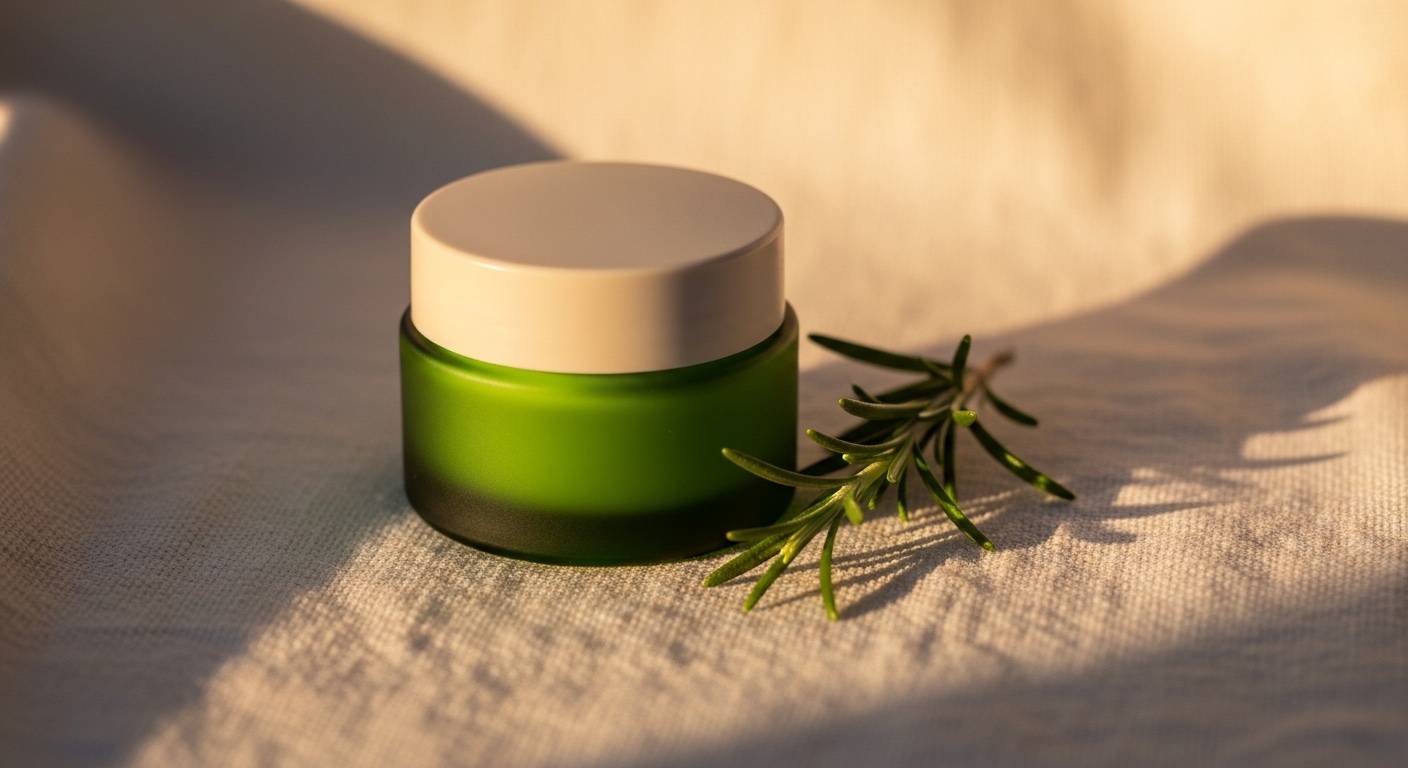
- The packaging is functional, not luxe. It looks like a small homestead-brand jar, because it is one. If you like the bathroom-counter aesthetics of department-store packaging, this is more honest than glamorous.
- Results are slow and subtle. Sixty days to “I think my under-eyes look a little better” is not the timeline a marketing team is going to write a headline about. It’s the timeline real skincare actually runs on.
Who I’d recommend it for
If you’re a mom tired of synthetic fragrance against her face, someone pregnant or breastfeeding cleaning up her routine, or an ingredient-literate person who wants peptides without retinoids and caffeine — this is a real candidate. If you’re chasing dramatic clinical results in two weeks or love the cooling-tingle of caffeine creams, you’ll be happier elsewhere. For the rest of us, it’s the most low-drama eye cream I’ve used. Browse the Health & Wellness category at Homestead Fanatic for more of how I decide what stays in my routine.
Frequently Asked Questions
- Is this eye cream actually vegan?
- Yes. The Peptide Eye Gel-Cream is fully vegan — no beeswax, no lanolin, no animal-derived collagen or peptides. The Acetyl Tetrapeptide-5 in it is a synthetic peptide, not animal-sourced.
- Can I use it during pregnancy?
- I’m not your doctor, so this isn’t medical advice — run any product past your OB. That said, the formula was built without retinoids, salicylic acid, or hydroquinone, which are the actives most pregnancy guidance flags. I have a separate post on which eye cream ingredients I’d avoid in pregnancy and why.
- How is it different from a caffeine eye cream?
- Caffeine eye creams constrict blood vessels for a short-term de-puffing look but don’t really do anything for skin texture or fine lines long-term. This skips caffeine entirely and uses peptides, niacinamide, and squalane — aimed at hydration and supporting skin over time, not temporary cosmetic effects.
- Will it make a noticeable difference in two weeks?
- Honestly, no — and I’d be skeptical of any eye cream that promises that. In my use, the first thing I noticed in week one was the absence of irritation. Visible-difference stuff started around day thirty and felt more settled at day sixty.
- What’s the active ingredient doing the work?
- The headlining peptide is Acetyl Tetrapeptide-5, with a research base behind it for the under-eye area. The formula also uses niacinamide for tone and squalane for hydration. No retinol, no caffeine, no fragrance.
- Is $30.99 a fair price for an eye cream?
- I think so, and I built it that way on purpose. A drugstore eye cream might run $15 but be mostly water and dimethicone. A department-store one with a similar peptide profile usually starts at $60–$80. $30.99 covers real actives in a clean formula without paying for marketing or packaging.
If you want to keep going down this rabbit hole, start with which eye cream ingredients I avoid during pregnancy or the deeper dive into what Acetyl Tetrapeptide-5 actually does. Both are part of the same series — cleaning up the bathroom shelf, one product at a time.